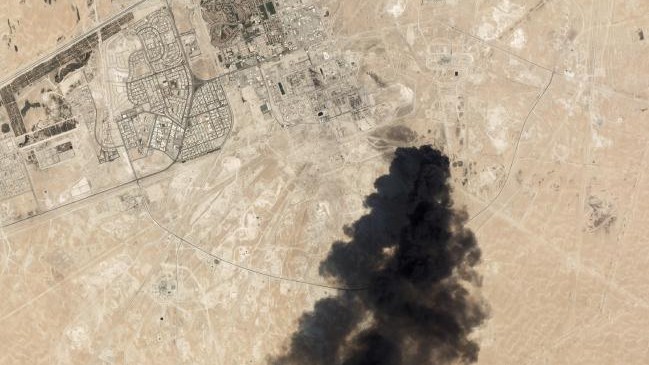
The attack on Saudi Aramco’s Abqaiq oil-processing complex is emerging as a major warning sign for global energy markets. Even before all details are fully clear, the scale of the disruption and the strategic importance of Abqaiq suggest this is more than a short-term security incident. It points to a deeper question about whether traders and policymakers have been too relaxed about supply risks.
Abqaiq is a critical part of Saudi oil infrastructure, so any threat to the site carries weight well beyond the kingdom. The latest developments are being viewed as one of the most consequential energy stories of 2026 because they test assumptions about resilience in the crude market. If processing hubs can be hit so directly, confidence in stable flows can erode quickly.
The broader concern is that global oil market buffers may be thinner than many expected. With attention also falling on other export routes and facilities, including the CPC terminal mentioned in the discussion, the market is being forced to reconsider how much spare capacity and logistical flexibility really exist. What looked manageable on paper may prove less dependable during a fast-moving geopolitical shock.
That risk is heightened by escalating U.S.-Iran hostilities and a pattern of attacks on energy infrastructure in the region. Together, those pressures raise the possibility that the oil market has been underpricing geopolitical danger. As more facts emerge, Abqaiq is likely to remain a key reference point in debates over supply security, pricing risk and the true fragility of the global crude system.