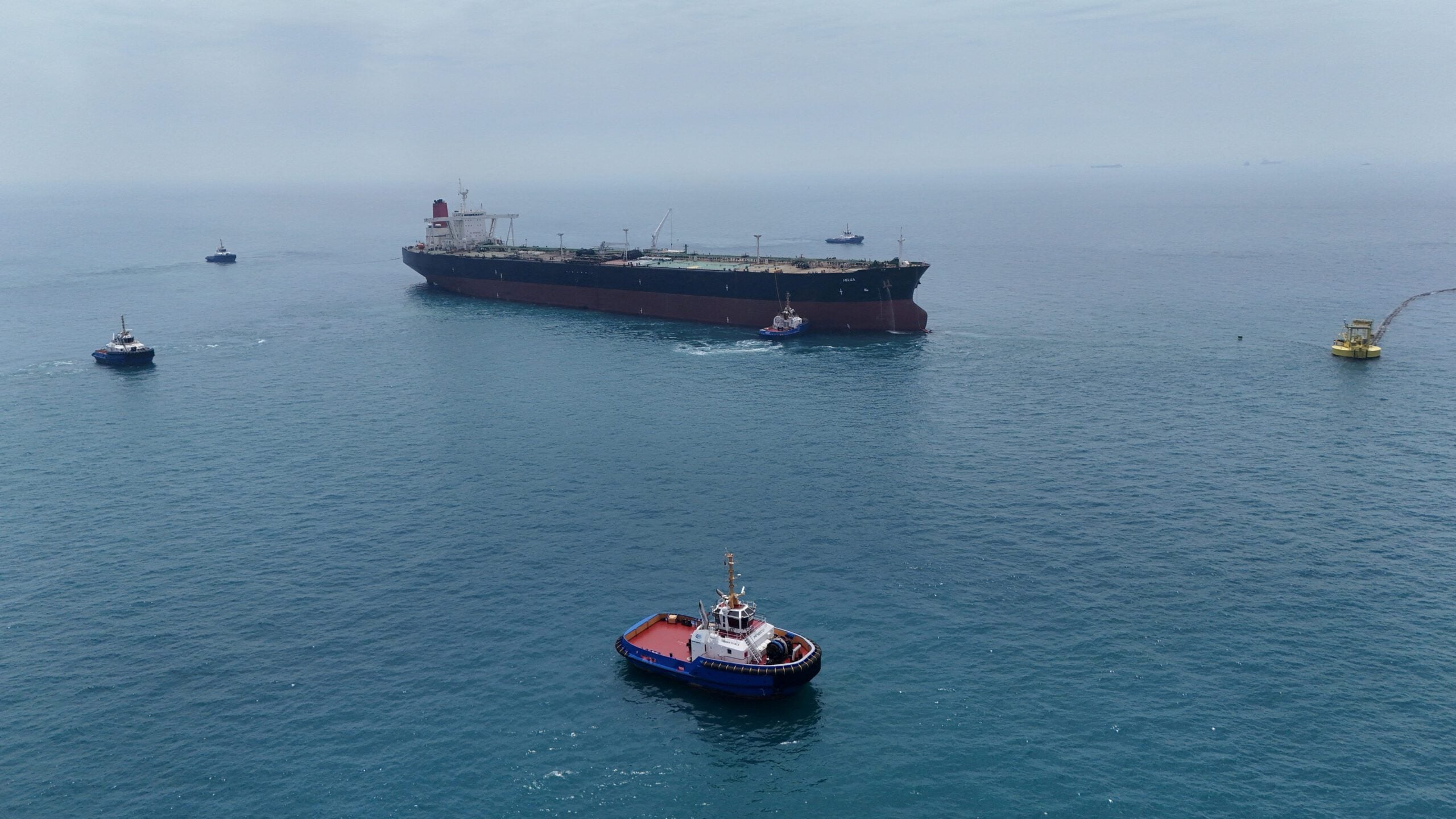
Oil shuttle activity linked to the Strait of Hormuz is increasing again after a recent slowdown, offering a fresh route for crude cargoes to keep moving despite rising regional tensions. The service has been an important workaround for getting shipments out of the area when direct movement becomes more difficult.
The rebound matters because the Strait of Hormuz remains one of the world’s most closely watched energy chokepoints. Any interruption or hesitation in traffic there can quickly raise concerns about supply flows, tanker availability and broader pressure on oil markets.
According to the report, the renewed shuttle trade has already helped millions of barrels leave the region as hostilities in the Middle East escalate. That suggests traders and shippers are again leaning on alternative transfer patterns to reduce delays and keep exports moving.
Even with activity picking up, the situation points to how sensitive oil logistics remain around Hormuz. As tensions continue, market participants are likely to keep watching shuttle operations, shipping patterns and any signs of further disruption across this critical export corridor.