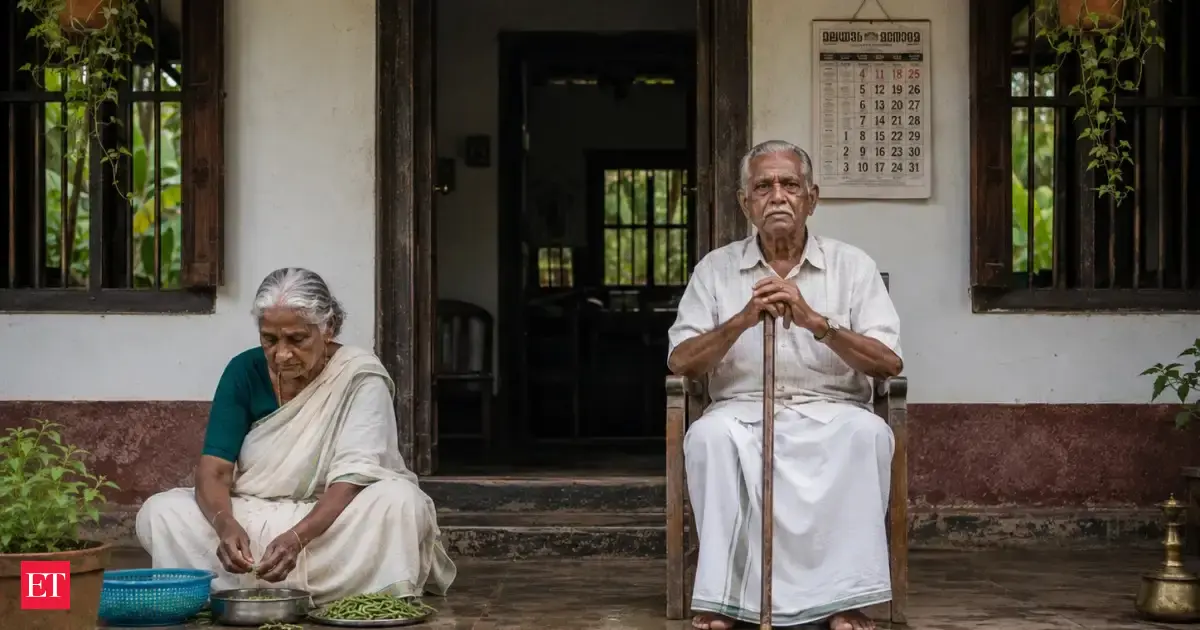
Kerala, the lush southern Indian state known for strong social indicators, is now facing a different demographic test: it is ageing faster than the rest of the country. As India debates jobs and opportunities for its huge youth population, Kerala is also confronting the needs of a growing elderly population.
The shift is being driven by a mix of low fertility, longer life expectancy and migration that has changed family structures. With fewer children being born and more people living longer, the share of older residents is rising. At the same time, migration for work can leave ageing parents with less day-to-day family support at home.
That pressure is pushing the state to rethink how care is organised. Kerala is emerging as a possible model for the rest of India by developing dedicated approaches for older people and by treating elderly care as a major public issue rather than a private family matter alone.
The challenges are likely to grow as India’s population changes over time. Kerala’s experience shows how ageing can reshape health, welfare and family life, and why states may need to build systems that support seniors more directly as traditional care networks evolve.