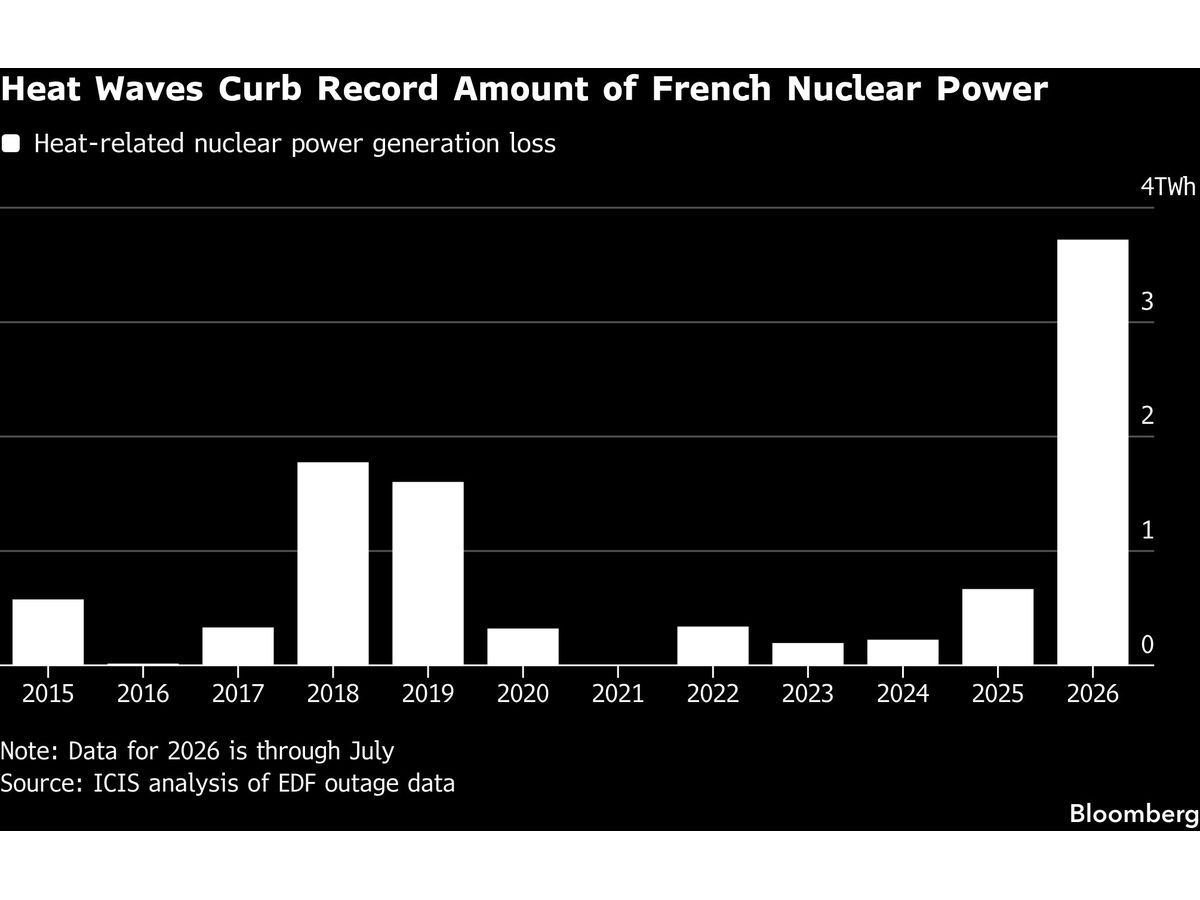
A run of intense heat waves is putting new pressure on Europe’s electricity system, weakening some of the power sources that have long been viewed as the backbone of reliable supply. The shift is forcing the region to depend more on imported fossil fuels while also leaning harder on renewable generation that can fluctuate with weather conditions.
The situation highlights how extreme temperatures can disrupt energy planning even in markets with mature infrastructure. When dependable sources produce less power during periods of high demand, grid operators and policymakers face a tougher balancing act to keep electricity flowing across the continent.
The growing reliance on imported fuels also raises broader concerns about energy security and costs. At the same time, greater use of variable renewable energy underscores both the progress Europe has made in cleaner power and the challenge of managing supply when weather patterns become more volatile.
Taken together, the latest heat waves show that climate stress is no longer a future risk for Europe’s power system. It is becoming an immediate operational problem, exposing weaknesses in traditional electricity sources and increasing the urgency of building a grid that can better withstand prolonged extremes.