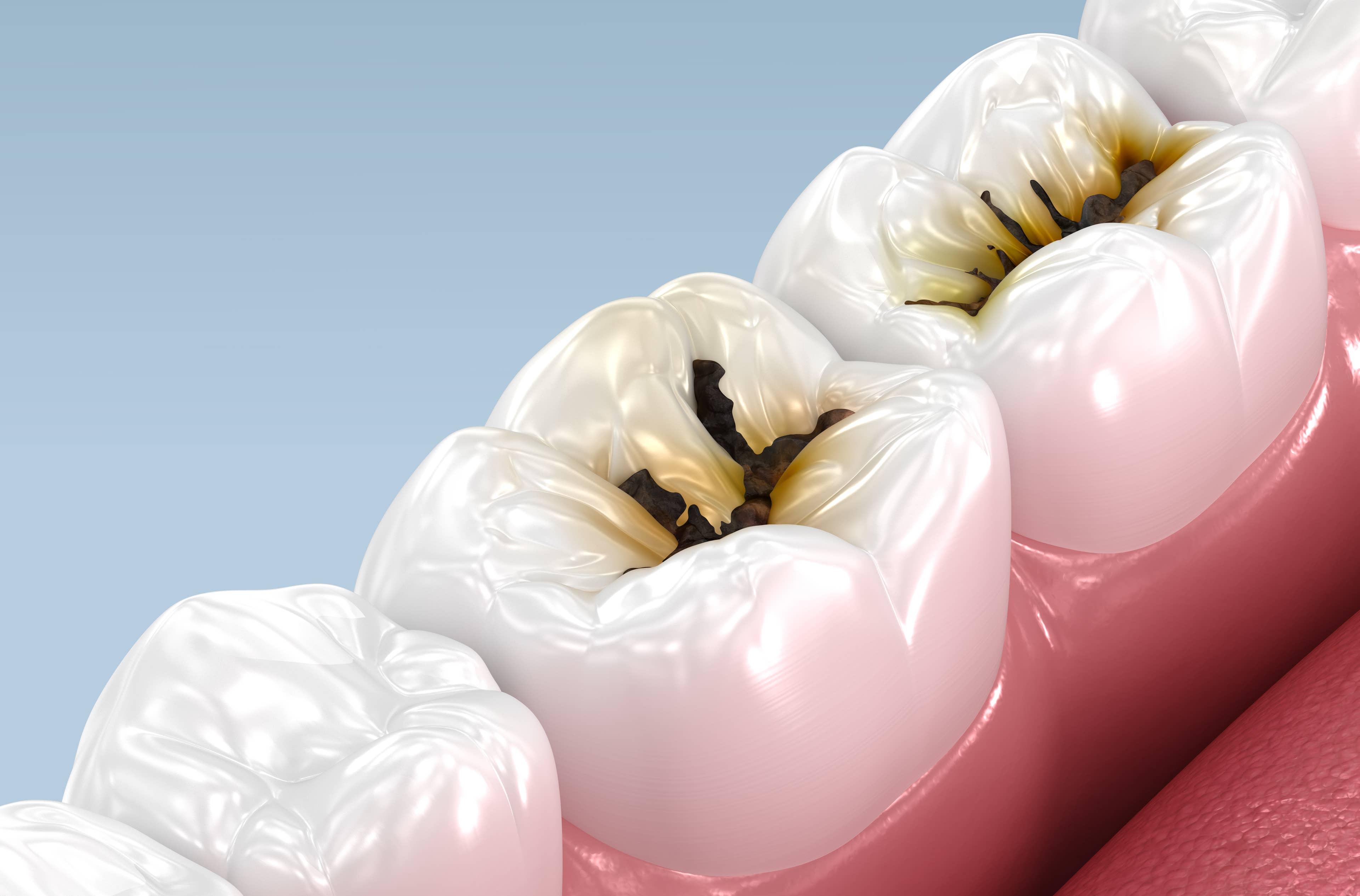
A major U.S. trial suggests a simple, low-cost liquid could change how cavities are treated in young children. For many families, dental decay has long meant drilling, fillings, and sometimes more serious procedures. The new findings indicate that, in many cases, early treatment with a liquid may stop the problem before it gets worse.
That matters because cavities in children can be difficult to manage, especially when treatment is uncomfortable or requires more invasive dental work. If tooth decay can be halted earlier, some children may be able to avoid the usual cycle of drilling and repairs. The research points to a less disruptive approach that could make care easier for both patients and dentists.
The study also highlights the appeal of a lower-cost option in pediatric dental care. A treatment that is simpler to apply and less invasive could improve access, particularly in settings where families face barriers to more complex procedures. Because the trial was described as a major U.S. study, the results are likely to draw attention across dentistry and public health.
While the report does not suggest that every cavity can be handled the same way, it adds to growing evidence that early, targeted treatment may prevent tooth decay from progressing. For many children, that could mean fewer drills, fewer fillings, and a different path for managing dental health.