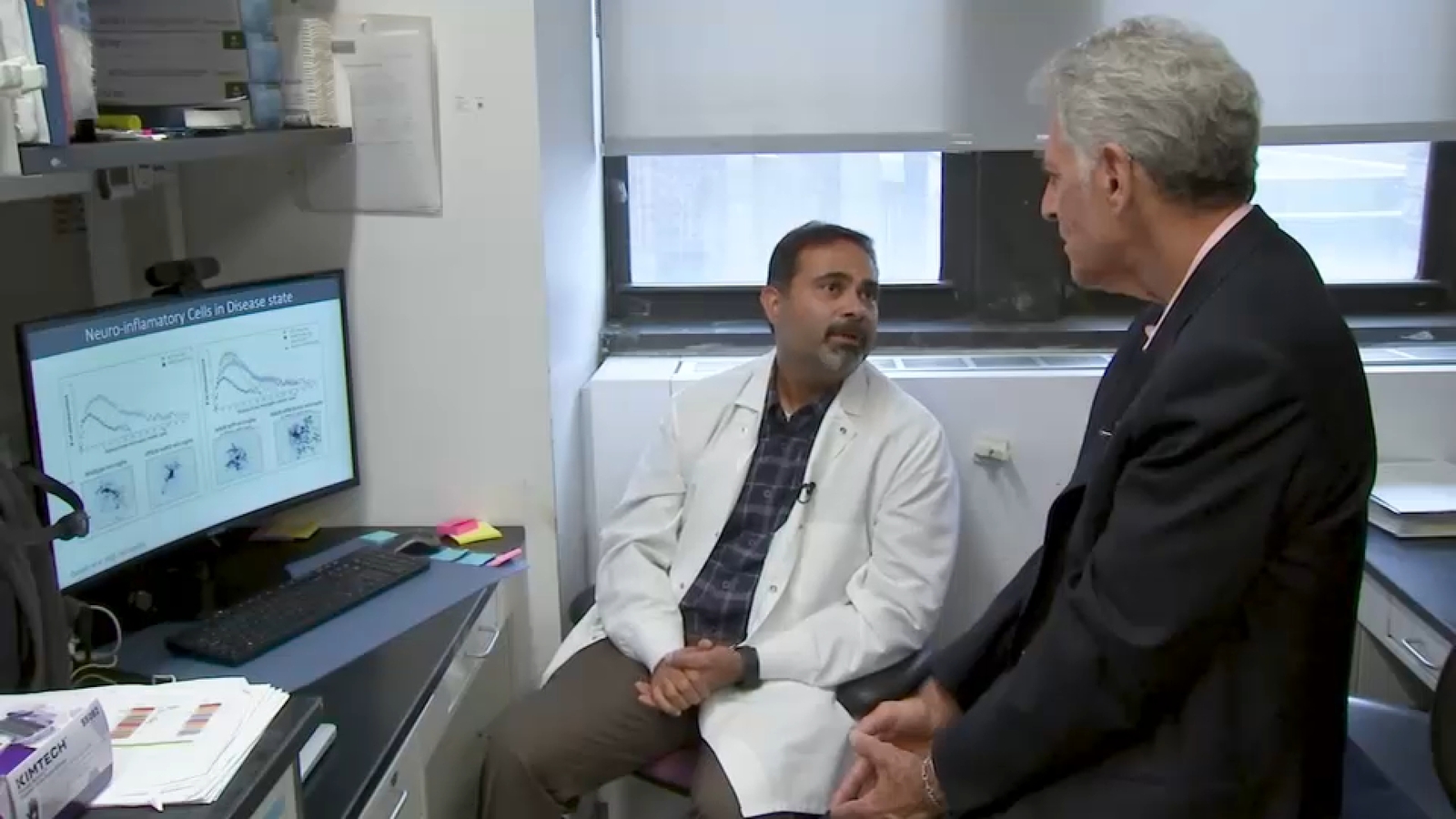
Doctors at Columbia's Alzheimer's Research Center are focused on one of the biggest unanswered questions in medicine: what causes Alzheimer's disease to begin and what keeps it progressing. While researchers have learned a great deal about how the illness appears in the brain, the underlying triggers are still not fully understood.
The work highlighted in New York points to a broader effort to move beyond describing the damage Alzheimer's causes and toward identifying the biological processes behind it. That distinction is important because understanding what starts and drives the disease could help researchers improve the way it is detected, treated, and possibly prevented.
According to the report, Columbia specialists are pursuing groundbreaking Alzheimer's research aimed at uncovering those root mechanisms. Their efforts reflect how major academic medical centers are trying to connect brain changes seen in patients with the factors that may set the disease in motion.
As Alzheimer's continues to affect patients and families across the country, studies like this are drawing attention because they target the source of the disease rather than only its visible effects. The research at Columbia underscores both how much science already knows about Alzheimer's and how urgently doctors are working to answer the questions that remain.