As tanning appears to be gaining popularity again, health concerns are returning with it. The renewed attention comes with stories like Nichole Sims’, who said she began using a tanning bed at 15 because it was common among people around her, especially before school events. Eight years later, she was diagnosed with melanoma, a serious form of skin cancer.
Tanning may create a darker skin tone, but that change is also a sign that the skin has been stressed by ultraviolet exposure. Whether the tan comes from the sun or from an indoor tanning bed, the process can damage skin cells. Over time, that damage can build up and increase the risk of long-term problems, including skin cancer.
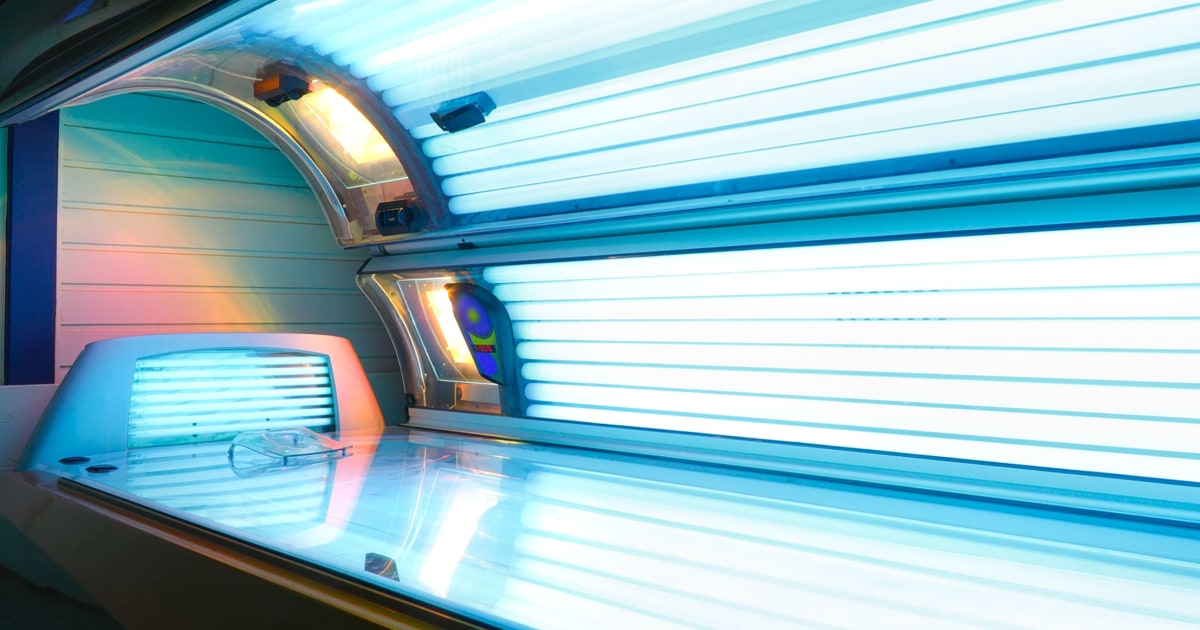
Indoor tanning has long been a concern because it can expose the skin to intense ultraviolet light. The appeal is often tied to beauty trends, special occasions and social pressure, particularly for teenagers and young adults. Stories like Sims’ highlight how early habits can carry consequences that may not become clear until years later.
The broader warning is that tanning is not a harmless cosmetic choice. Beyond changing skin color, repeated UV exposure can affect the skin in ways that are not immediately visible, while also raising the risk of melanoma. As tanning returns to the spotlight, the health risks tied to that look are being discussed again.