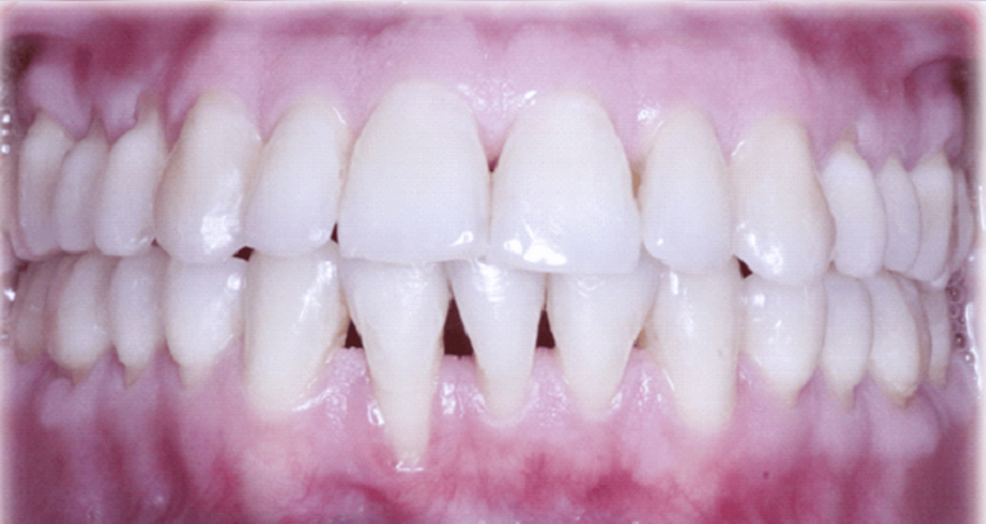
A Cureus case report examines the management of multiple mandibular gingival recessions that developed following orthodontic treatment. Gingival recession is a common mucogingival problem in which the gum margin moves apically, leaving more of the tooth surface exposed.
According to the article title and summary, the report centers on lower-jaw recessions treated with a connective tissue graft combined with a coronally advanced flap. This type of combined periodontal approach is commonly discussed when clinicians aim to improve soft-tissue coverage in recession defects.
The description also highlights an important risk context: gingival recession may appear after orthodontic care, especially in patients with a thin periodontal phenotype and limited buccal bone support. That makes tissue thickness and underlying bone anatomy key considerations when planning tooth movement and post-treatment periodontal care.
While the available snippet does not provide full clinical details or outcomes, the case report adds to ongoing discussion about how recession defects linked to orthodontic treatment can be managed surgically. It underscores the connection between orthodontic planning, periodontal risk factors, and soft-tissue treatment strategies in patients with mandibular gum recession.