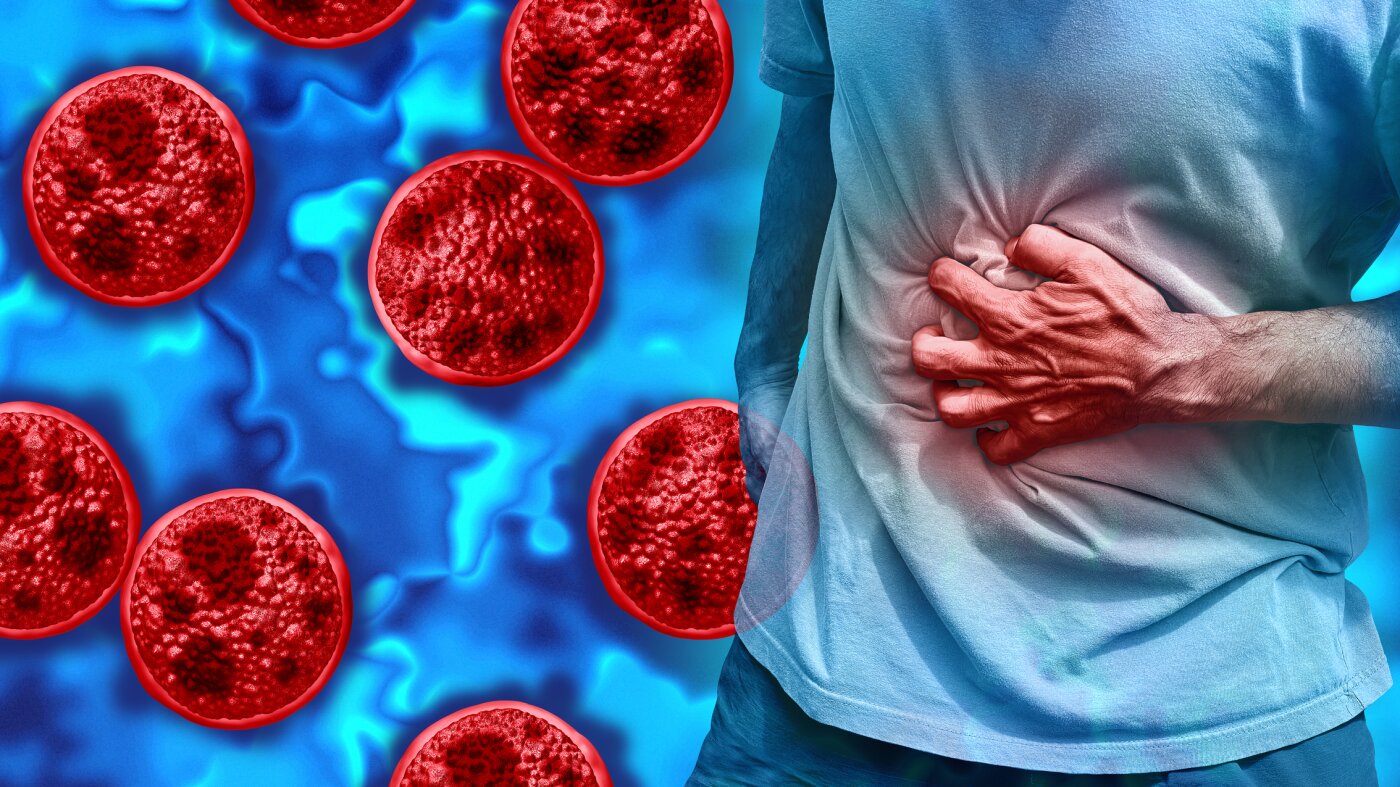
Cyclospora has emerged as a major health story in the United States this summer after sickening thousands of people. According to the report, it is the largest U.S. outbreak of the parasite on record, drawing attention to how a microscopic organism can cause widespread digestive illness.
The parasite’s impact comes from what it does inside the gut. Once Cyclospora is in the human digestive system, it needs time there to reproduce. That process helps explain why the infection can become so disruptive, as the organism multiplies inside the intestines and interferes with normal digestive function.
The report also highlights a key part of Cyclospora’s spread: it has to make its way into the digestive tract in the first place. In simple terms, the parasite causes illness after it is taken into the body and reaches the gut, where the conditions allow it to continue its life cycle. That connection between entry into the body and reproduction in the intestines is central to understanding why Cyclospora outbreaks can be so difficult on patients.
With thousands of cases reported this summer, the outbreak has put a spotlight on a parasite many Americans had rarely heard of before. The scale of the U.S. surge shows how quickly Cyclospora can become a public health concern when it reaches large numbers of people and begins reproducing inside the gut.