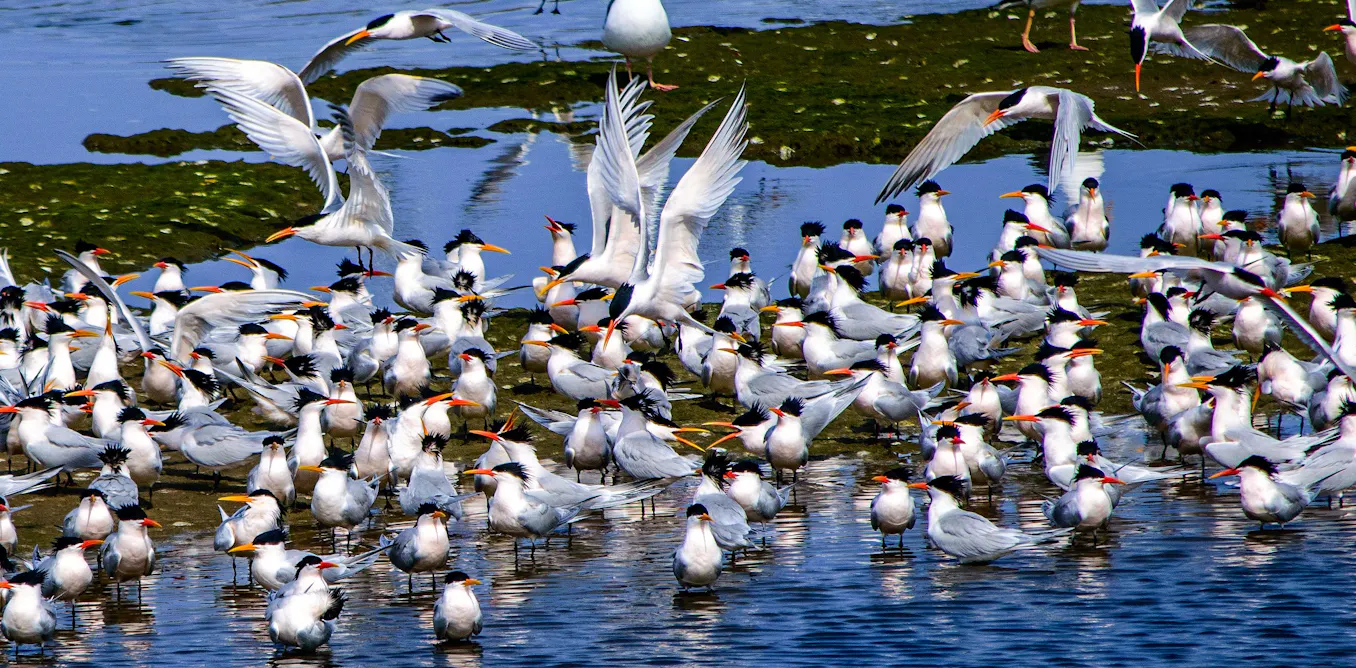
Australia is now dealing with a serious H5N1 bird flu outbreak in wildlife, with the virus spreading in wild seabirds across multiple parts of the country. The latest figures in the article say there have been 53 confirmed detections in wild seabirds across five states, showing that the threat is no longer theoretical.
South Australia appears to be the main hotspot so far, accounting for 39 of the confirmed cases mentioned in the report. That concentration suggests the outbreak is already having a significant impact in some wildlife populations, even as the broader national picture continues to develop.
The central warning is that Australia cannot prevent wild birds from moving and mixing, which makes complete exclusion impossible once H5N1 is in wildlife. What can still be controlled, however, is how closely authorities track the outbreak and how effectively they respond to limit it becoming a larger, unmanaged event.
The report frames this as a critical moment for surveillance and outbreak management rather than a distant risk. With H5N1 bird flu worsening in Australian wildlife, the focus is now on monitoring spread, understanding where infections are appearing, and reducing the chances of wider ecological damage.