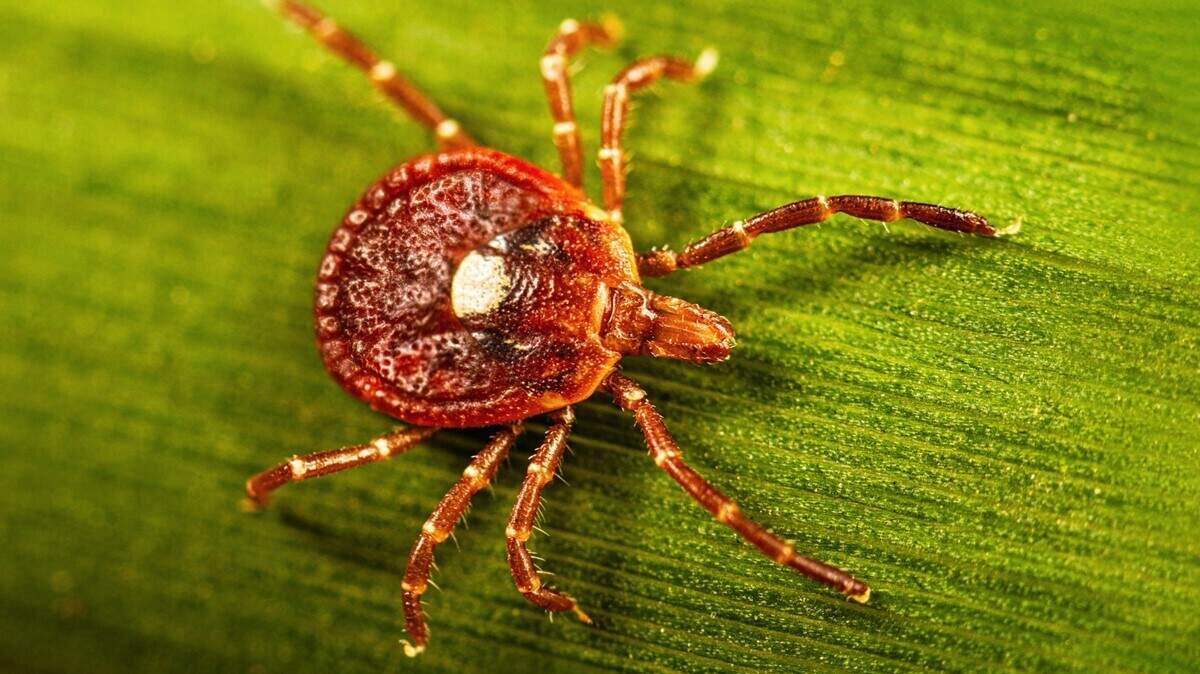
A rare tick-borne illness known as Bourbon virus is drawing renewed attention after New York reported its first confirmed case. The virus was first identified in 2014 in Bourbon County, Kansas, giving the disease its name. Interest has grown as public health officials and readers look for basic facts about where it came from, how it spreads and how people can protect themselves.
Available information links Bourbon virus to the lone star tick, a species already associated with several other illnesses. Because the virus is considered uncommon, many people may not have heard of it before recent coverage. That rarity also means awareness tends to rise only when a confirmed case or survival story puts the virus back in national headlines.
Symptoms can resemble other tick-borne diseases, which may make recognition more difficult. Another challenge is that there is no widely available routine test, no vaccine and no specific antiviral treatment highlighted in current reporting. With limited medical tools, prevention remains the most important defense.
The best way to lower risk is to avoid tick bites when spending time outdoors, especially in grassy, brushy or wooded areas. Common prevention steps include using tick repellents, wearing long sleeves and pants, checking clothing and skin after being outside, and removing ticks promptly. For Kansas readers, the latest attention on Bourbon virus is also a reminder that a locally identified disease can still remain relevant years later.


![The US wins the right to say it's spent 'virtually all' of its long-range precision missiles during all the glorious Iranian war victories. So much victorying [Obvious]](https://img.fark.net/images/2013/site/farkLogo2Big.gif)