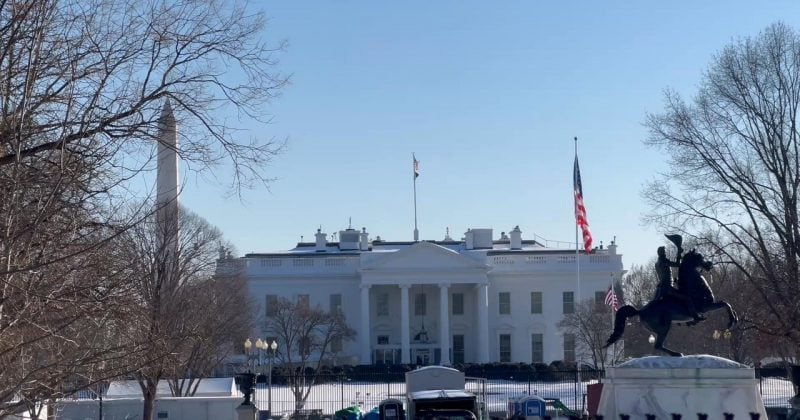
The White House is weighing whether emergency limits on refined fuel exports could help bring down gasoline prices in the United States. The idea has resurfaced as the Biden administration looks for ways to ease pressure on drivers, especially during a politically sensitive period.
Any move to curb exports would reach far beyond domestic pump prices. Refined petroleum shipments are part of a broader global supply network, so tighter limits could disrupt trade flows and create pressure for countries that rely on U.S. fuel supplies.
The debate also raises questions about how much the government should intervene in energy markets. Supporters of export limits see them as a possible short-term tool to keep more fuel at home, while critics warn that sudden restrictions could unsettle the U.S. energy market and create unintended consequences.
The discussion reflects a long-running tension in American energy policy: balancing domestic cost relief with the country’s role in global fuel markets. For the administration, the challenge is whether any emergency action would meaningfully reduce gas prices without adding new strains to supply chains or international relationships.