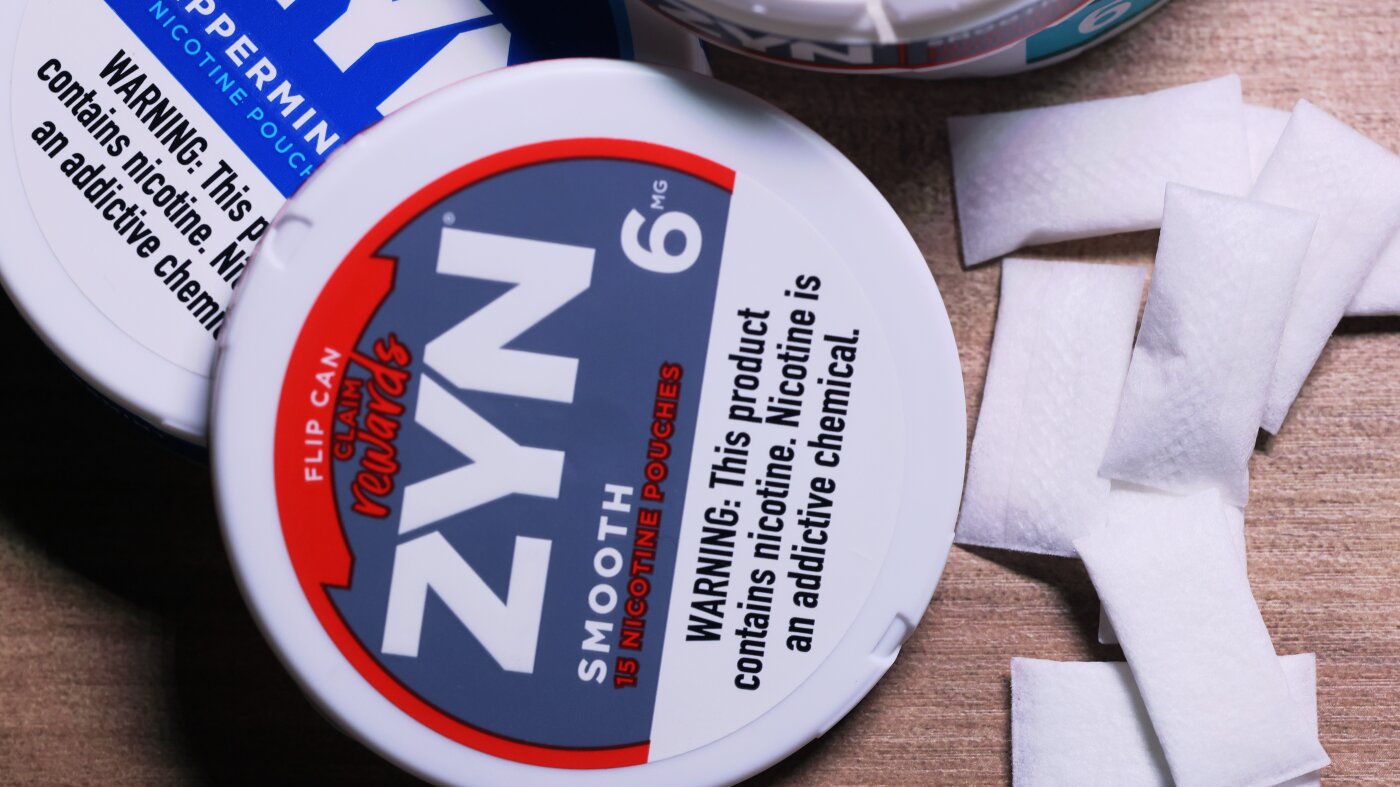
The FDA has allowed some Zyn nicotine pouches to be marketed as presenting a lower risk than cigarettes, adding a new twist to the debate over smokeless nicotine products. Public health experts broadly agree that for adults who already smoke, switching away from cigarettes can reduce exposure to the harmful chemicals created by burning tobacco.
At the same time, specialists say a lower-risk label should not be confused with harmless. Nicotine pouches still deliver an addictive drug, and concerns remain about how easy they may be for new users to pick up. Their small size, discreet use and modern packaging can make them feel less serious than traditional tobacco products, even though they still carry addiction risks.
Much of the worry centers on younger people. Flavors such as mint and other cool-sounding varieties may make the products more appealing, and highly visible branding, including placement in sports settings like Formula 1, can increase their profile. Experts fear that this kind of exposure could draw in teens and young adults who do not smoke but may experiment with nicotine anyway.
The issue leaves regulators and health advocates balancing two goals that do not always fit neatly together: helping current smokers move away from cigarettes while trying to prevent a new generation from becoming dependent on nicotine. The FDA decision highlights that tension, with the potential benefit for adult smokers alongside persistent concern about youth uptake.