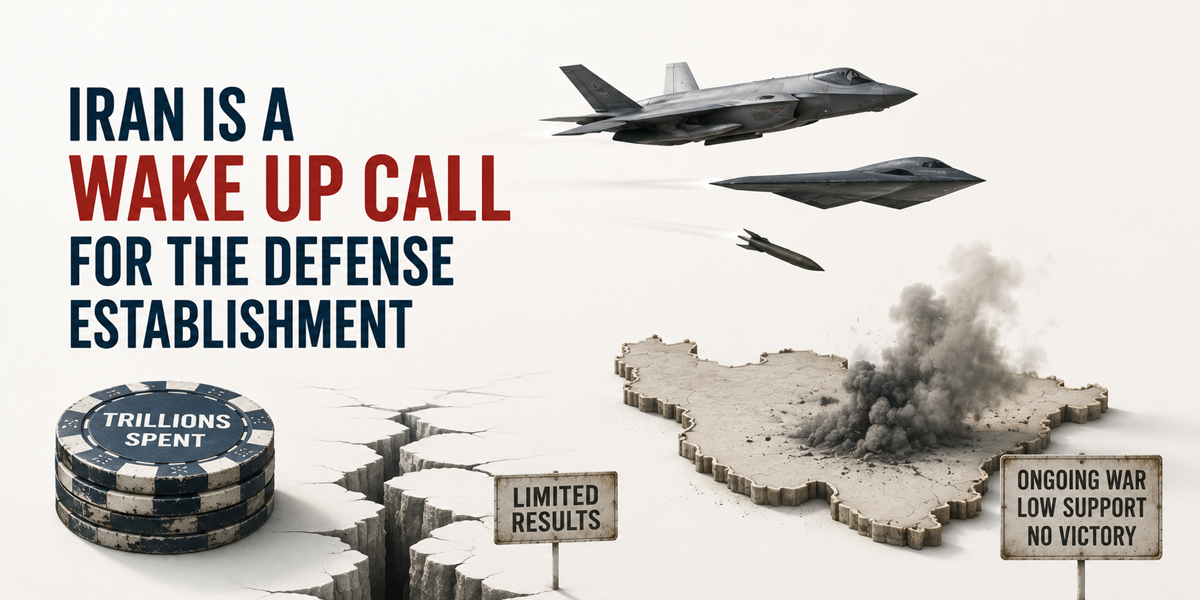
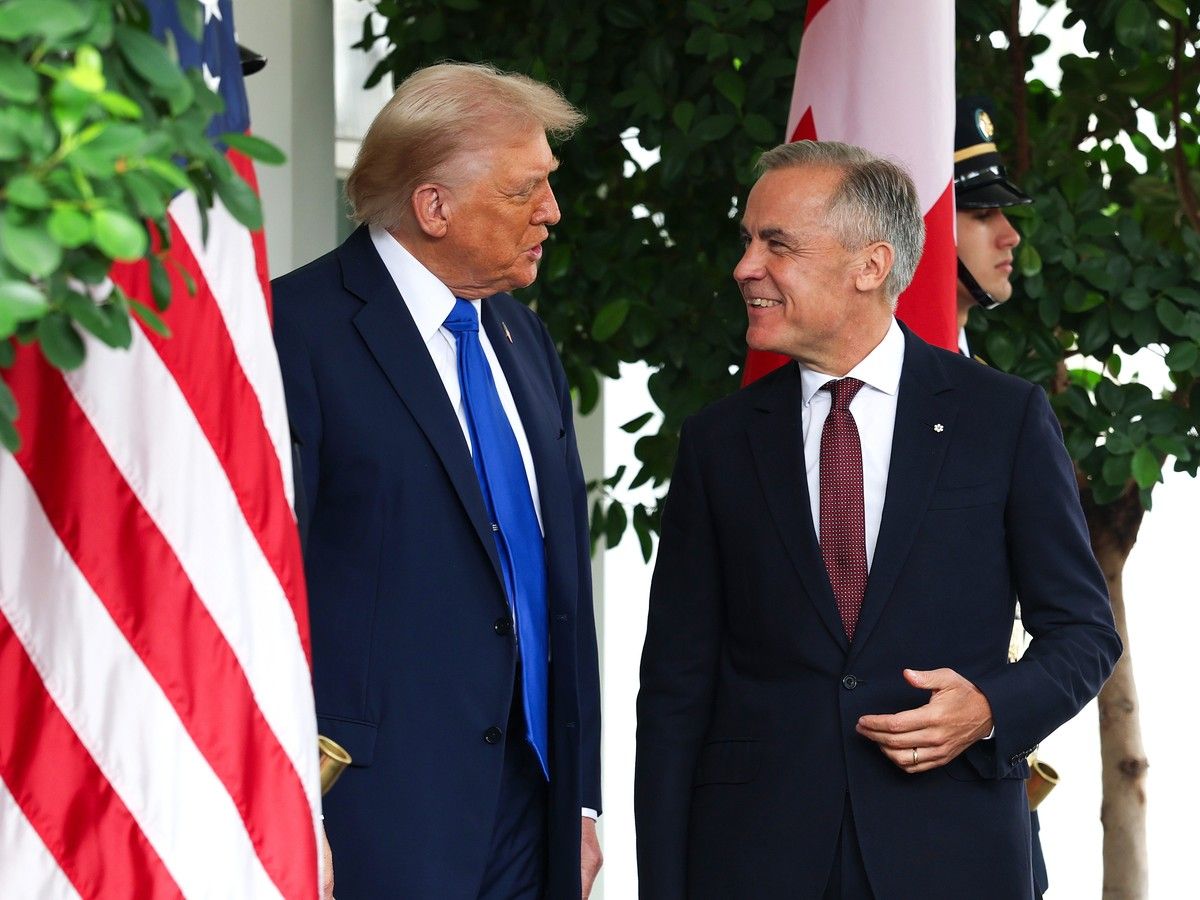
President Donald Trump appears to be facing a narrow and politically risky path on Iran after months of signaling that the United States was close to an agreement. With talks involving Iran and Oman still central to the diplomatic track, any eventual deal could be judged against his earlier suggestions that the standoff would end quickly and on far tougher terms.
That has created a difficult choice for the White House. A more aggressive approach could pull the US deeper into confrontation, while a compromise could look like a retreat from the demands Trump and his aides have repeatedly projected in public. The tension between those two options is driving the perception that he is boxed in.
The pressure is sharpened by the gap between confident messaging and what negotiations usually deliver. If an agreement does emerge from the Oman channel, it may fall short of the expectations created by repeated claims that a breakthrough was near and that Iran would have to give way decisively.
For Trump, the Iran issue now looks like both a foreign policy test and a political credibility test. He must weigh the costs of escalation against the damage of accepting a deal that opponents could portray as a climbdown from his own stated goals.