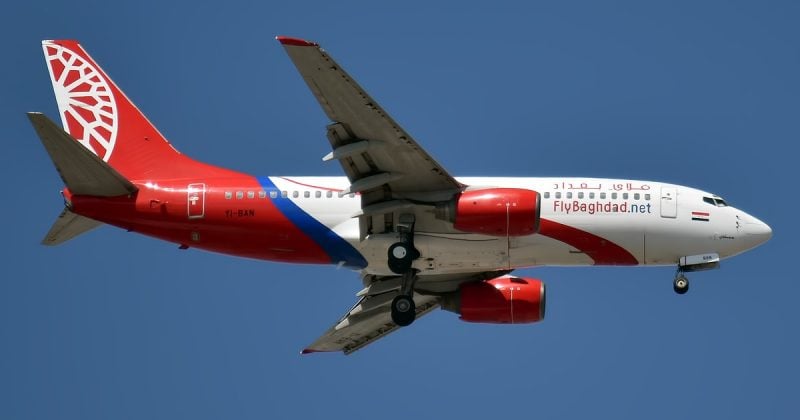
The United States has lifted sanctions on Fly Baghdad, the Iraqi airline that had previously been tied to Iran’s Islamic Revolutionary Guard Corps, according to Reuters. The change marks a notable shift in a case that had connected civil aviation, sanctions policy, and wider regional security concerns.
Fly Baghdad had been under U.S. restrictions because of alleged links to the IRGC, a powerful Iranian military organization that remains at the center of many U.S. sanctions measures. Removing those penalties does not erase the earlier concerns, but it does indicate that Washington has adjusted its position on the carrier.
The move is drawing attention because it may reflect a broader softening in U.S.-Iran tensions, even if only in a limited or technical sense. Sanctions decisions are often watched closely as signals of diplomatic mood, especially in areas where transport, trade, and regional influence overlap.
The decision could also have practical effects beyond diplomacy. Changes to sanctions on an airline can influence business activity, travel links, and market sentiment across Iraq and the surrounding region, particularly when investors are looking for clues about Washington’s next steps on Iran-related policy.