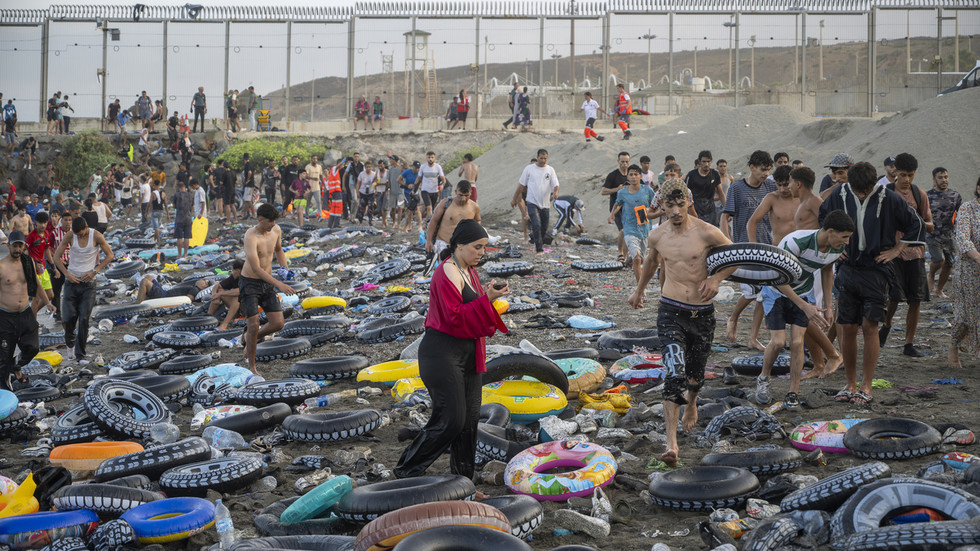
The debate over who benefits from migrant chaos in Spain has sharpened after the recent events in Ceuta, the Spanish enclave in North Africa. The episode is portrayed as tragic for everyone involved, while also exposing how quickly a local border emergency can become a wider European political issue.
The central question is whether the Ceuta migrant crisis was a one-off shock or a sign of deeper problems in EU border management. Critics argue that the response from European institutions and national governments can turn these incidents into recurring spectacles, rather than addressing the conditions that make them erupt in the first place.
That makes the issue more than a humanitarian crisis. It also becomes a struggle over power, messaging and policy. When scenes of disorder dominate headlines, different political actors can use the pressure to demand tougher border controls, redirect blame or strengthen their position in broader disputes over migration and sovereignty.
For Spain, Ceuta shows how difficult it is to manage security, diplomacy and humanitarian responsibilities at one of Europe’s most sensitive frontiers. For the EU, the fallout renews scrutiny of whether current migration policies reduce instability or leave border territories like Ceuta exposed to repeated waves of chaos.