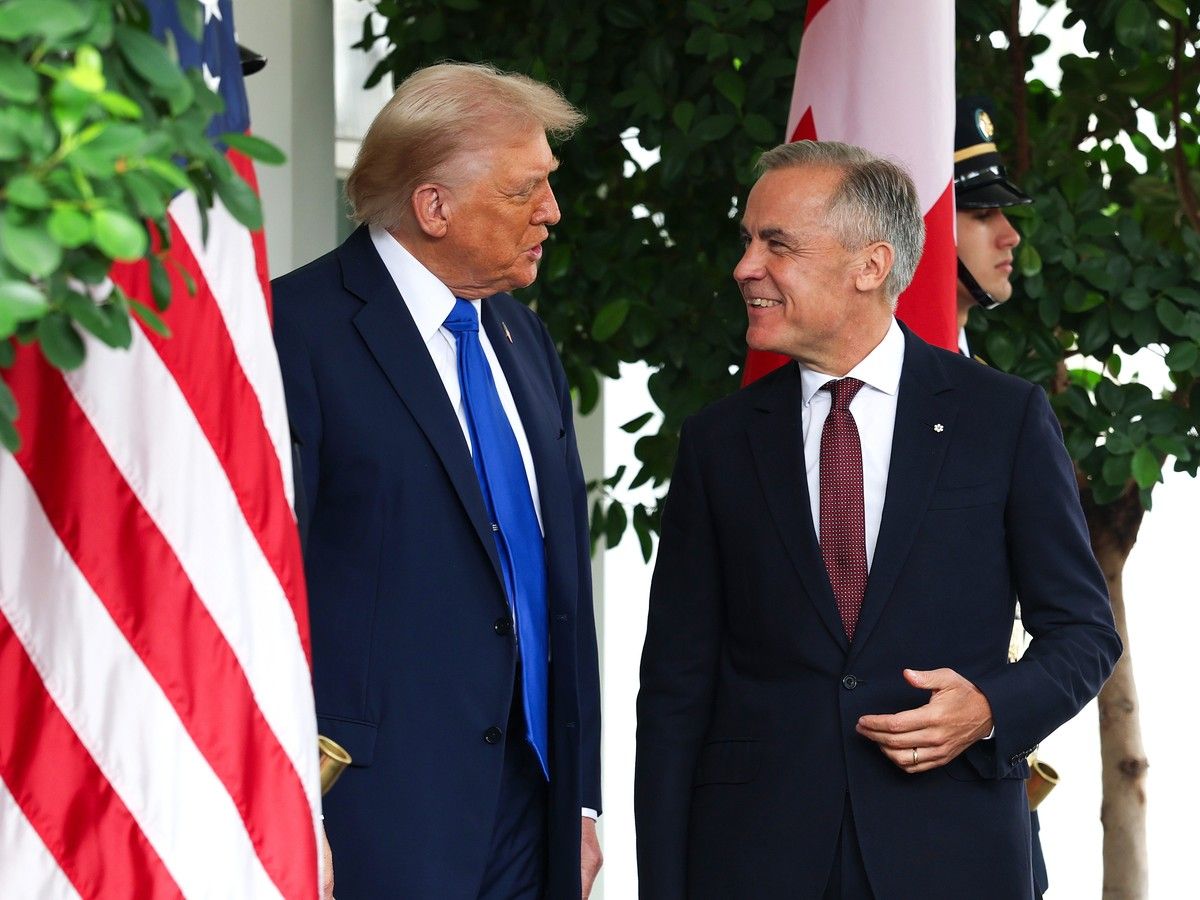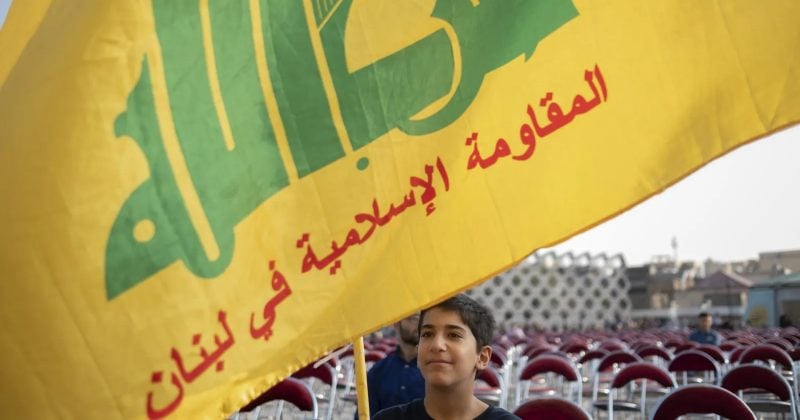
A report says former President Donald Trump sought direct talks with Hezbollah, but the approach was denied. The account, attributed to Middle East Eye, points to the difficulty of opening direct channels with the Iran-backed group even when U.S. officials or political figures explore unconventional diplomacy.
The reported refusal highlights a broader problem in Middle East policy: efforts to reduce tensions can run into hard political and security barriers before any formal process begins. Direct engagement with Hezbollah has long been sensitive because of the group’s role in regional conflicts and its adversarial relationship with the United States.
The development also feeds into wider debate over how Washington should handle armed non-state actors that influence regional stability. Supporters of direct communication often argue that contact can help manage crises, while critics see it as risky and unlikely to produce meaningful results.
Even without further details, the reported denial reflects the persistent complexity of U.S. diplomacy in the region. Any attempt at direct Hezbollah negotiations would face serious resistance, showing how limited the room for political maneuver remains in an already volatile Middle East landscape.