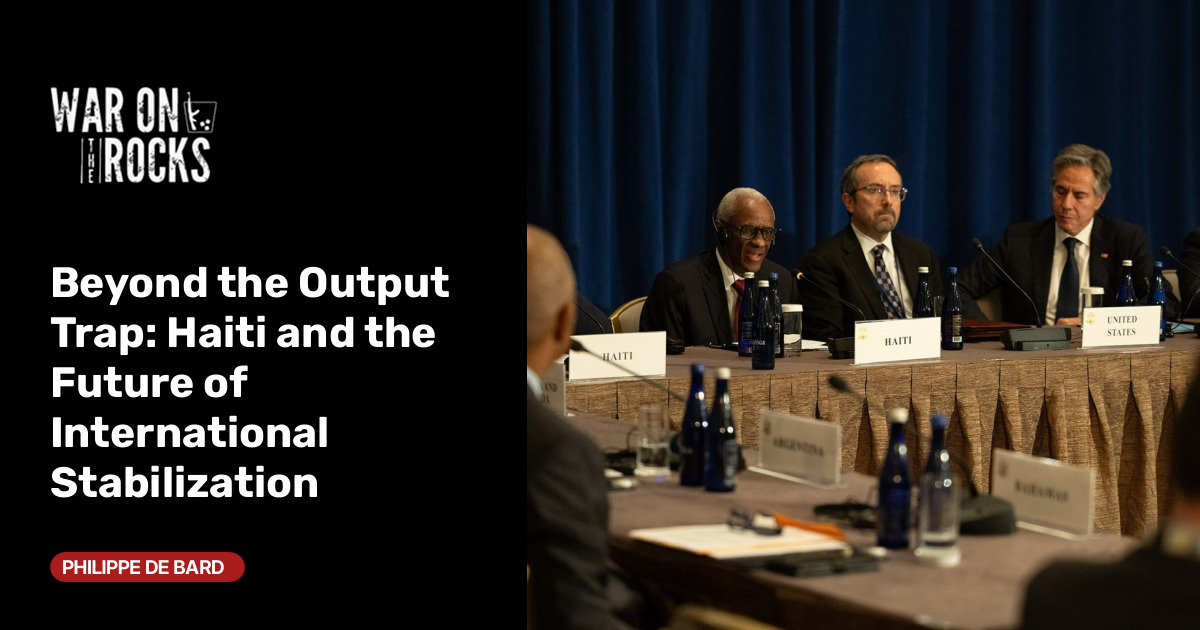
Haiti’s long crisis is being viewed through two overlapping failures: the lack of justice for major political killings and the limits of international stabilization efforts. Five years after the assassinations of Monferrier Dorval, Diego Charles, and Antoinette Duclaire, accountability remains out of reach. Four years after the killing of President Jovenel Moïse, that process is still incomplete.
The central issue raised is that international engagement can become too focused on visible activity rather than lasting results. In that framework, reports may highlight outputs such as meetings, deployments, or program delivery, while the deeper test — whether institutions can deliver justice and restore public confidence — remains unmet. Haiti’s unresolved assassinations are presented as a clear example of that gap.
The discussion suggests that stabilization cannot be judged only by short-term indicators when core political and judicial problems remain unsettled. If major cases tied to violence and state legitimacy continue without full accountability, then claims of progress are likely to appear fragile. That makes Haiti an important case in the broader debate over how outside actors define success in crisis response.
Looking ahead, the piece points to a wider lesson for international policy: stabilization efforts need to be measured by durable political and institutional outcomes, not simply by completed tasks. In Haiti, that means the future of any international approach is closely tied to whether justice, accountability, and credible governance can move from rhetoric to reality.