A new commentary warns that rising tensions across the Middle East are no longer isolated crises, but overlapping flashpoints that could feed into a much larger confrontation. Its central argument is that the immediate priority for Trump is not to solve every dispute at once, but to keep separate conflicts from hardening into a broader war.
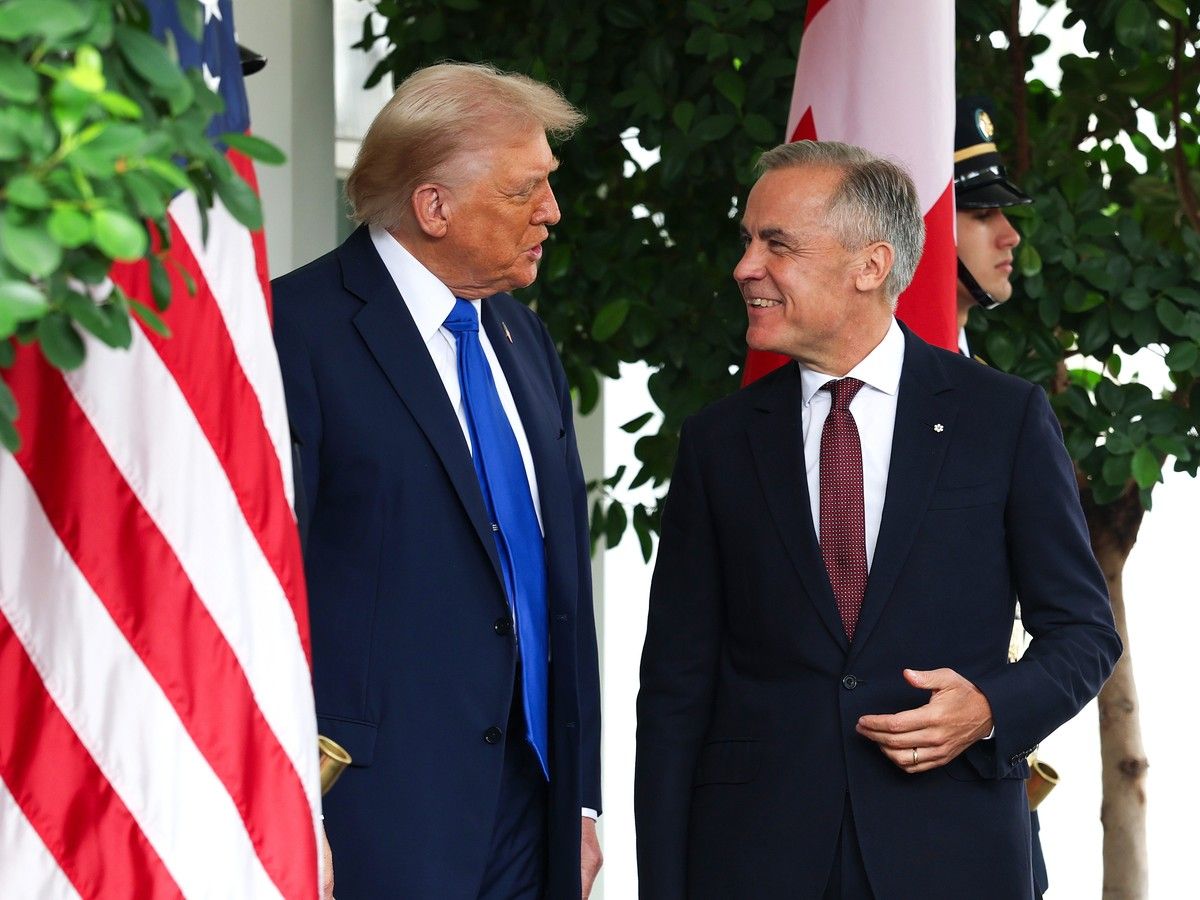
The piece puts particular focus on Netanyahu’s recent Oval Office meeting and the lack of visible outcomes afterward. It suggests that the quiet surrounding the talks, along with the absence of the usual public signals of diplomatic success, points to an encounter that did not produce a clear breakthrough.
That reading is reinforced by the article’s emphasis on restrained official handling of the visit. Rather than highlighting a strong public show of unity, the account presents a subdued atmosphere that it interprets as evidence of unresolved differences or, at minimum, a lack of decisive progress.
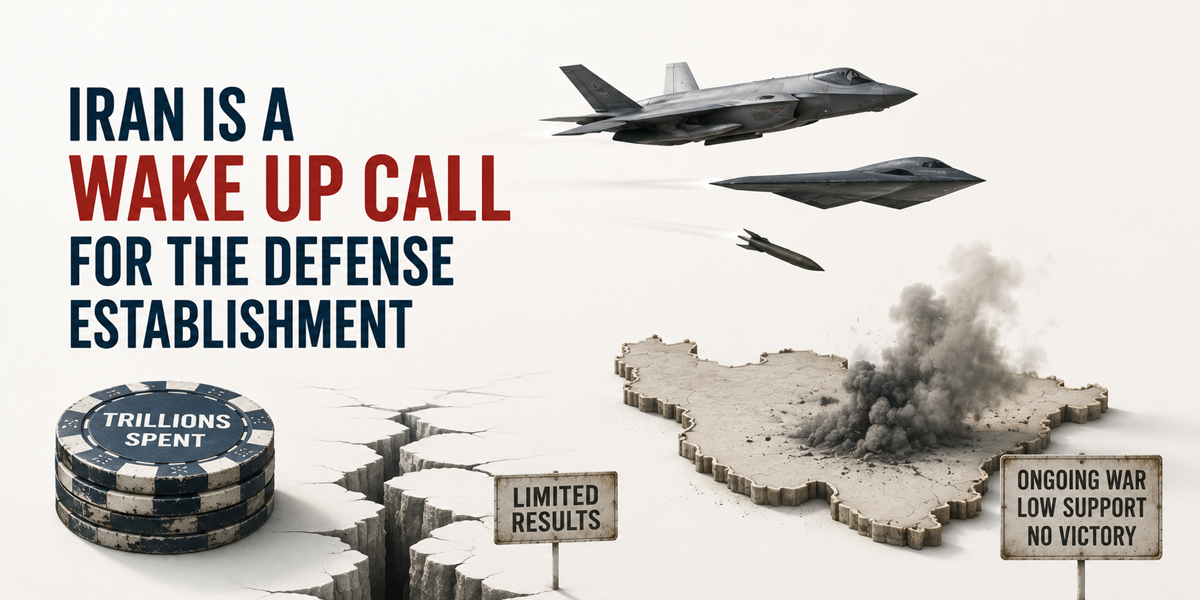
More broadly, the article frames the Middle East as a region where separate wars and rivalries risk connecting into a single, more dangerous crisis. In that view, Washington’s most realistic goal is containment: preventing existing conflicts from combining into a larger regional or even global confrontation.