For decades after the Second World War, trade policy in many advanced economies was widely treated as a relatively stable part of the global economic system. Repeated rounds of multilateral liberalization helped build an environment in which cross-border commerce became more predictable, allowing businesses and investors to make long-term decisions with greater confidence.
That stability matters because predictable trade rules support efficient economic activity. When tariffs are introduced or threatened in an uncertain policy climate, they can alter supply chains, pricing decisions, sourcing strategies and investment plans. Instead of responding mainly to market signals, companies may shift activity in ways driven by policy risk.
The broader concern is not only the direct cost of tariffs, but also the uncertainty they create. A less predictable trade environment can discourage expansion, delay hiring and reduce the gains that come from open and reliable international exchange. Even when firms adapt, the adjustment process can be costly and uneven.
The article’s argument is that tariffs do more than raise barriers at the border. They can also weaken one of the main advantages of the postwar trading system: the expectation that trade rules will remain reasonably stable over time. When that predictability fades, advanced economies risk giving up some of the efficiency and economic confidence that a more settled trade framework once provided.
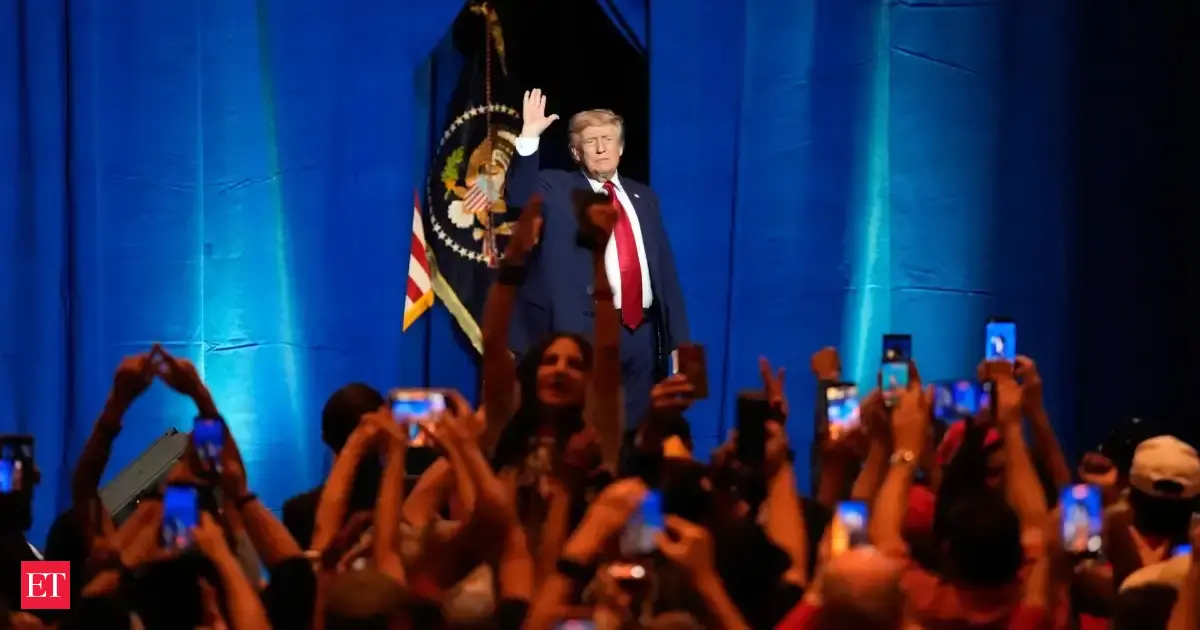
![Trump's tariffs were supposed to boost American manufacturing, but the new levies are actually pushing some companies back to China [Followup]](https://usrimg-full.fark.net/n/ng/fark_ngmeXrOmTiVUkKJbHuARUBaCLSw.jpg?AWSAccessKeyId=JO3ELGV4BGLFW7Y3EZXN&Expires=1786334400&Signature=m2sxq%2Bv%2F6WSx7zOlQpxzdFPfY%2Bs%3D)