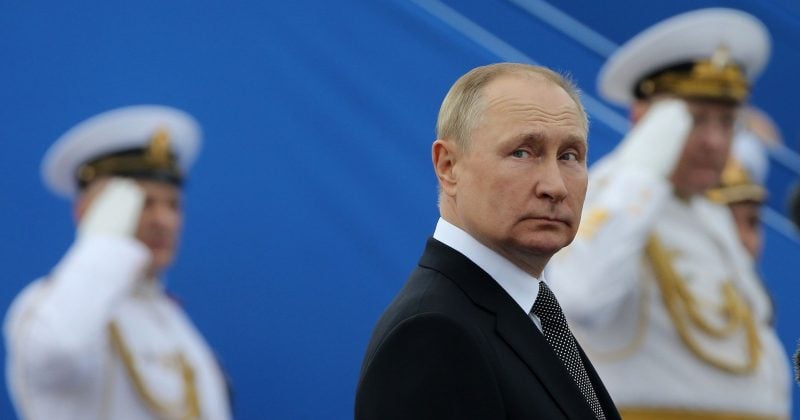
Russian President Vladimir Putin has signed a new law that creates a formal regulatory framework for crypto exchanges, digital depositories, and other digital asset market participants in Russia. At the same time, the measure bans the use of cryptocurrency for domestic payments, drawing a clear line between regulated crypto activity and its use in everyday transactions.
The law marks a significant step in Russia’s approach to digital assets. By setting rules for exchange operators and related institutions, it appears designed to bring more structure and oversight to the crypto market. That could make the environment more workable for larger financial players and institutions that have been waiting for clearer legal standards.
However, the domestic crypto payment ban is likely to limit wider consumer adoption. While the framework may support more formal market participation, restrictions on using crypto for payments reduce one of the main ways retail users interact with digital currencies. That split could lead to a market that is more regulated but less open to everyday crypto use.
The mixed policy approach may also influence sentiment around Bitcoin and the broader digital asset market. Clearer regulation can be seen as a positive for institutional engagement, but limits on retail activity may temper expectations for strong demand growth. As a result, the new Russian crypto law could be viewed as both a stabilizing move for the sector and a constraint on more expansive market optimism.