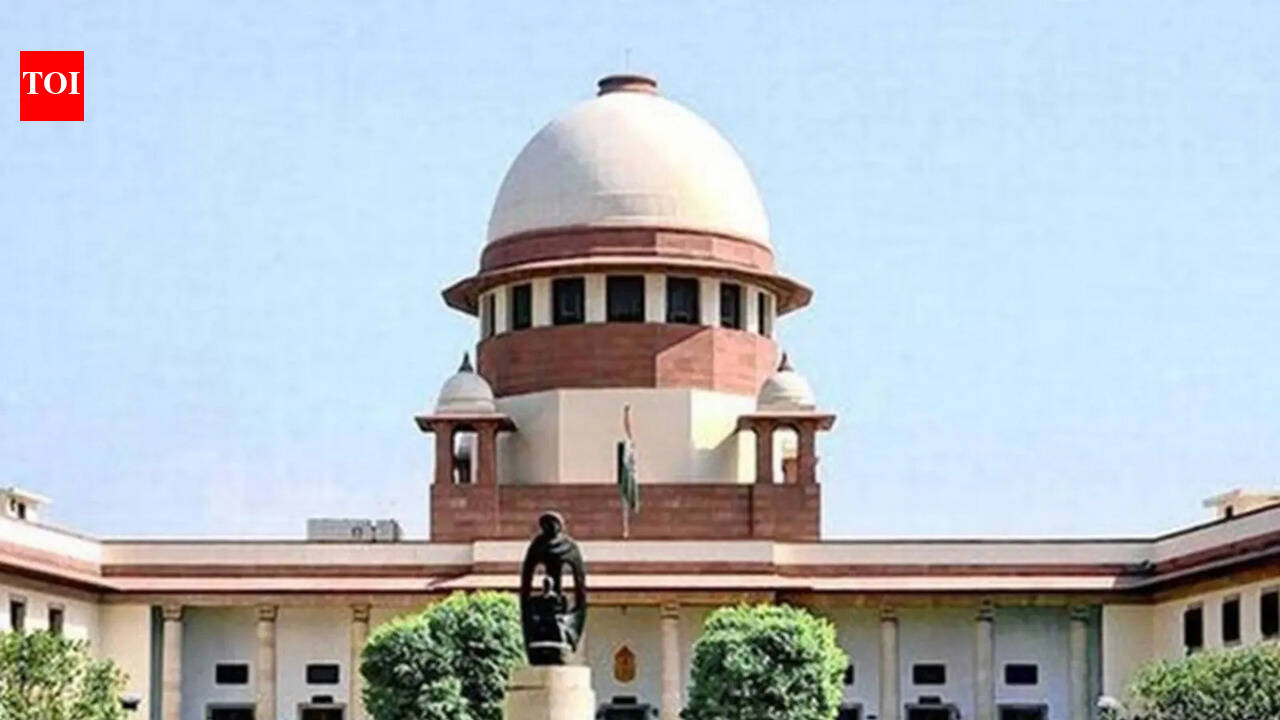
India’s Supreme Court has raised concern over the slow progress of a criminal case involving a Popular Front of India activist, signaling unease with how long the trial is taking to move forward. The bench indicated that criminal proceedings cannot drag on indefinitely and questioned the pace of the case.
The concern appears tied to the practical impact of delay on the accused. According to the case details referenced in court, the activist could end up spending more than three years in jail while the trial remains unfinished, bringing the issue of prolonged incarceration into focus.
A major reason for the slow movement is the scale of the prosecution’s witness list. With around 700 witnesses said to be lined up, the trial has become heavily drawn out, making early completion difficult and adding to the court’s apprehension about how long such proceedings can reasonably continue.
The Supreme Court’s remarks underscore a broader judicial concern about balancing criminal prosecution with timely justice. In this matter, the court’s intervention highlights the pressure on the legal system to prevent lengthy trials from turning into punishment by delay.