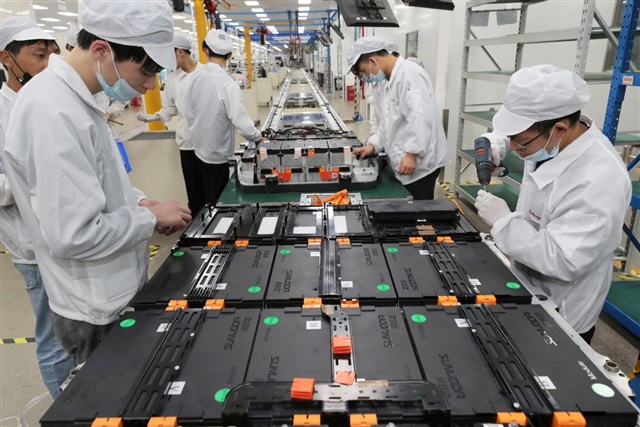
China’s automakers are continuing to back in-house batteries as part of broader efforts to offer complete vehicle lineups, but that strategy is becoming harder to sustain. As profit margins shrink, the cost and complexity of building more of the battery value chain internally are putting added pressure on carmakers.
The challenge is not just lower profitability. The battery supply chain in China is described as structurally unbalanced, making it more difficult for automakers to align production, sourcing and cost control. Even companies that want tighter control over key components may struggle if supply relationships and pricing power remain uneven.
For vehicle makers, in-house battery plans can promise better integration and potentially more differentiation in a crowded market. But those benefits are harder to realize when margins are already under strain. Developing battery capabilities requires heavy investment, operational discipline and stable access to materials and manufacturing capacity.
The result is a difficult balancing act for China’s car industry. Automakers still see strategic value in controlling more of the battery stack, yet the economics are becoming less forgiving as competitive pressure rises and the supply chain remains skewed.