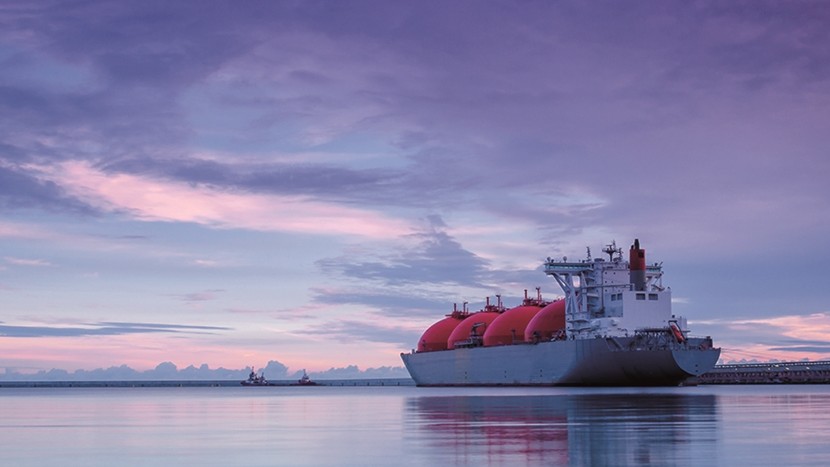
The war in the Middle East is raising fresh doubts about the long-term growth story for liquefied natural gas, or LNG. Much of the public focus has been on crude oil, but the disruption to gas trade may be even more severe because LNG depends heavily on stable shipping routes and reliable cross-border flows.
Asia appears to be taking the biggest hit from the current turmoil. That matters because the region has been a major driver of LNG demand, so any disruption there can quickly ripple across global markets and undermine assumptions about steady growth in trade.
At the same time, new gas pipelines are changing the supply picture in some markets, reducing part of the dependence on seaborne LNG. Even so, pipeline additions do not remove the broader uncertainty created by conflict, and they may instead highlight how quickly buyers can rethink their fuel mix when LNG becomes less predictable.
Europe is also facing a difficult winter outlook if instability continues. With gas flows under pressure and competition for supply remaining intense, the conflict is challenging the idea that LNG can keep expanding smoothly as a cornerstone of global energy security.