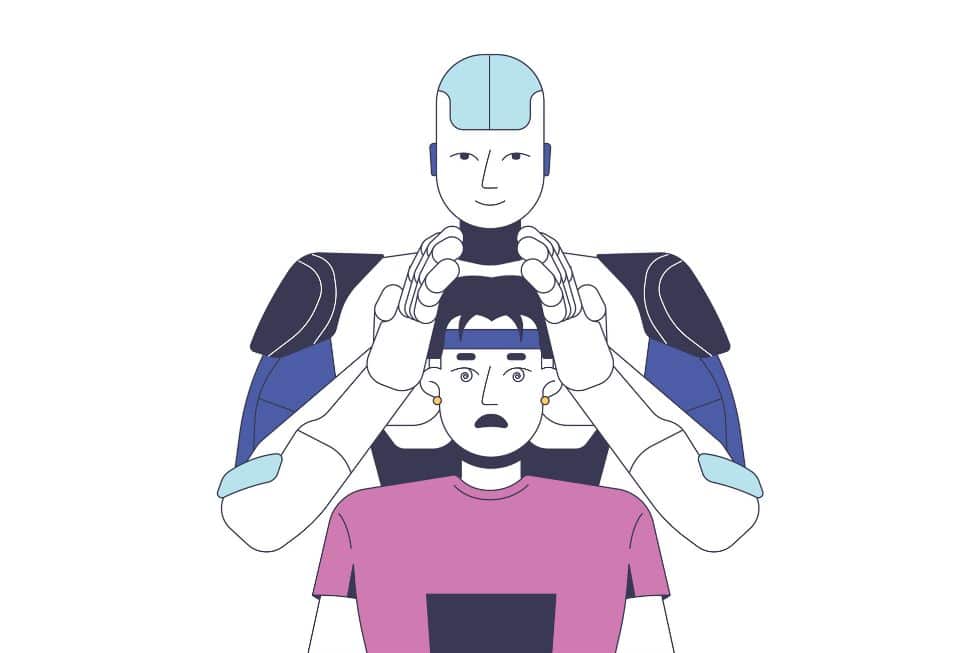
Economist Nouriel Roubini, widely known as Dr. Doom for earlier market warnings and for anticipating the 2008 financial crisis, is now outlining what he sees as a major economic shift driven by artificial intelligence. His latest view is that AI could transform work so deeply that governments may have to step in more aggressively to support people displaced by automation.
According to the outlook described in the report, one possible response is universal basic income. Another is a broader move toward stronger state involvement in the economy, including governments taking some stake or control in major technology firms. Roubini presents that path as the more optimistic scenario, suggesting the disruption from AI could be severe enough to force large-scale policy changes.
The argument reflects a growing debate over who benefits from AI productivity gains and what happens if those gains are concentrated in a small group of dominant companies. If machines can perform more tasks once done by people, pressure could build for income redistribution, new ownership models, or expanded public support systems.
Roubini’s warning stands out because it comes from an economist long associated with worst-case forecasts, yet in this case his brighter outlook still involves sweeping changes to capitalism and the labor market. As AI adoption accelerates, his comments add to the broader discussion over jobs, inequality, and the future balance between private tech power and government intervention.