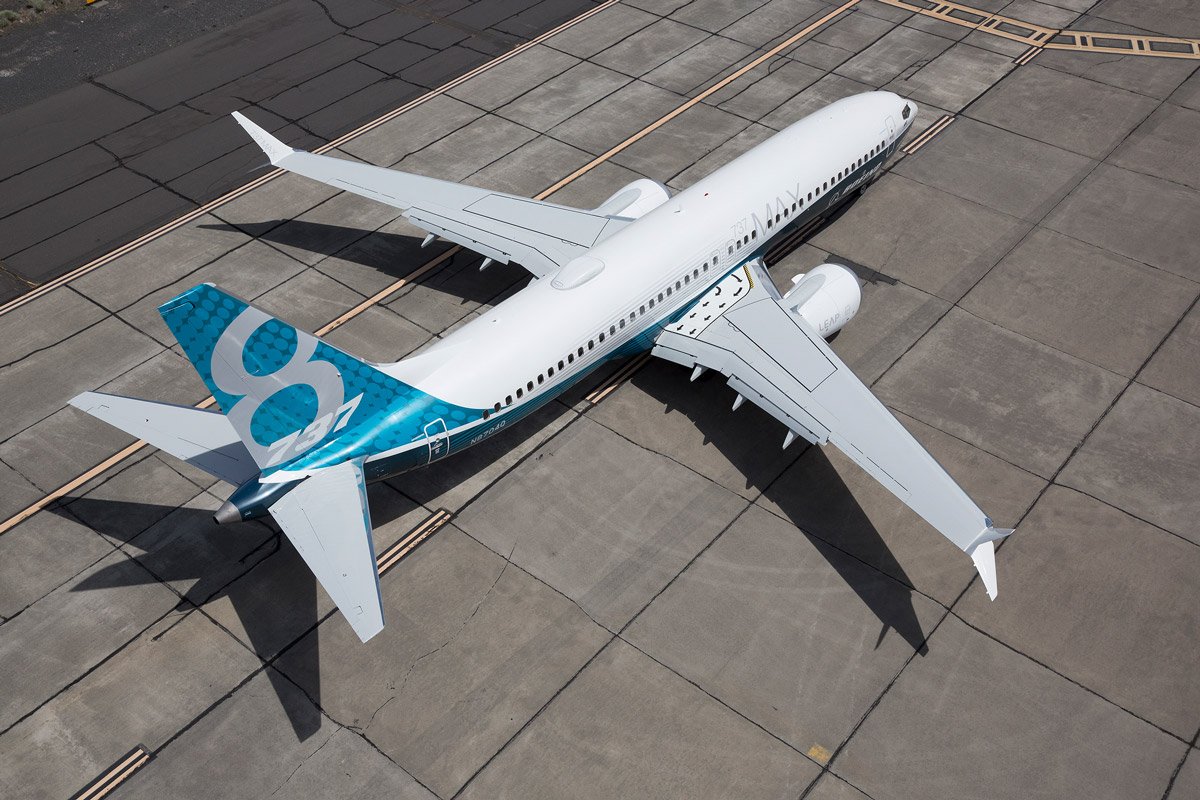
The FAA has eased restrictions on Boeing aircraft deliveries, reopening the door for the company to issue its own airworthiness certificates for the 737 MAX and 787. The move signals a notable change in how federal regulators are handling oversight of some of Boeing’s most important commercial jet programs.
Airworthiness certificates are a key step before new aircraft can be delivered and enter service. By allowing Boeing to again handle that part of the process, the FAA appears to be loosening a layer of direct control that had affected deliveries. That could help streamline handovers of completed aircraft to airline customers.
The decision is especially significant for the 737 MAX and 787, two models that play a major role in Boeing’s production and revenue. Any shift in certification authority can have ripple effects across the manufacturer’s backlog, delivery schedule, and relationships with carriers waiting for new jets.
At the same time, the change is likely to draw attention because it touches on the balance between regulator oversight and manufacturer responsibility. While the FAA has eased these delivery-related restrictions, the broader question of how aircraft safety is reviewed and certified will remain closely watched across the aviation industry.