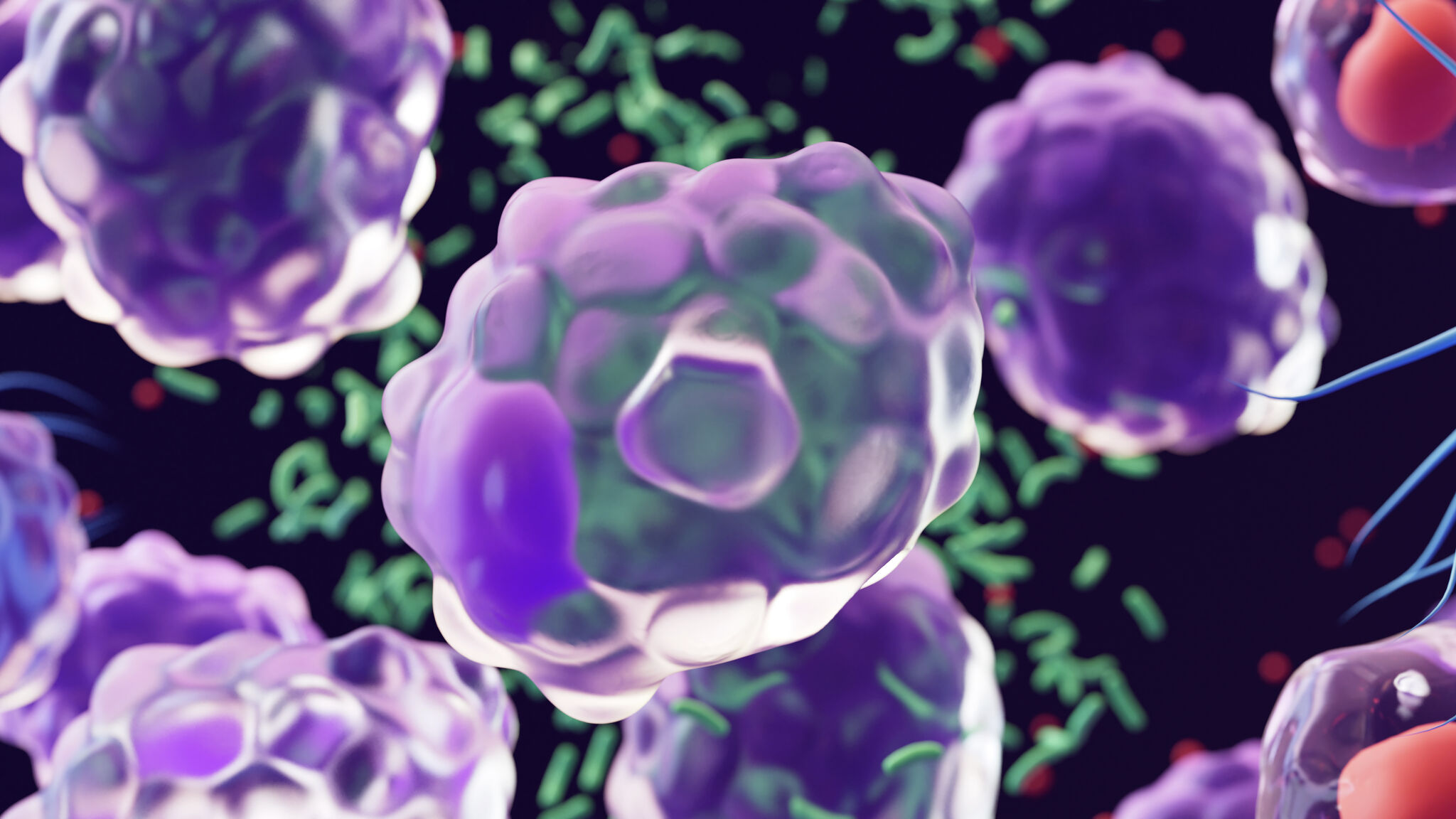
Stanford researchers are exploring whether macrophages, immune cells that act like the body’s cleanup crew, could play a role in slowing aspects of aging. These white blood cells normally engulf and break down microbes, damaged cells and other cellular debris that can build up over time.
According to the report, the team found that restoring the function of these immune “garbage trucks” in aging mice helped the animals remain lean and muscular. The finding points to a possible strategy for promoting healthier aging by improving the body’s ability to clear waste that accumulates as cells and tissues grow older.
The work focuses on a basic problem in aging biology: as macrophages become less effective, unwanted material may linger in the body and contribute to decline. By reviving those cleanup processes, researchers hope to better understand whether immune maintenance can support strength, metabolism and overall health later in life.
While the results are promising, the research described is still at the animal-study stage. That means the findings suggest a potential path for future therapies, but they do not show that the same approach would work in people.