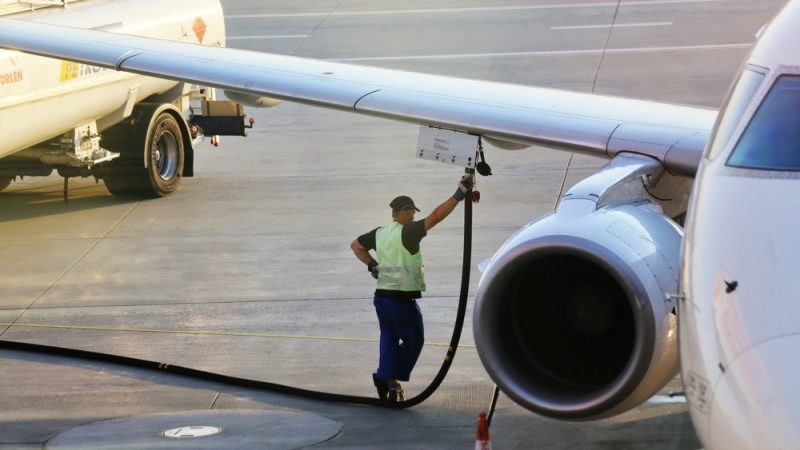
Europe was widely expected to face a jet fuel squeeze by the start of summer after early warnings linked supply risks to the Strait of Hormuz. Those concerns raised the prospect of disruption at airports and tighter fuel markets across the region.
But the feared physical shortages largely did not emerge by June. Instead, the market appears to have adjusted more effectively than many initially expected, preventing the kind of broad aviation fuel crunch that had been anticipated.
The outcome points to the flexibility of global energy supply chains. Even when major chokepoints trigger alarm, fuel markets can respond through shifting trade flows, procurement strategies and other balancing mechanisms that help keep supplies moving.
For Europe, the episode underscores how quickly energy security fears can build around critical shipping routes, while also showing that worst-case scenarios do not always materialize. Jet fuel markets remained under close watch, but the expected collapse in availability failed to take shape.