Economist Nouriel Roubini is warning that the world could be exposed to an extreme energy disruption if tensions between the US and Iran escalate into a broader war in West Asia. His argument is not simply that oil prices could rise, but that markets may still be giving too little weight to the most damaging scenarios.
Roubini suggests the global economy is better positioned than it was during the oil shocks of the 1970s. Energy use is different, policy responses have evolved, and many countries have more tools to cushion supply turmoil. Even so, those changes do not eliminate the danger of a major disruption if conflict expands and oil flows are affected.
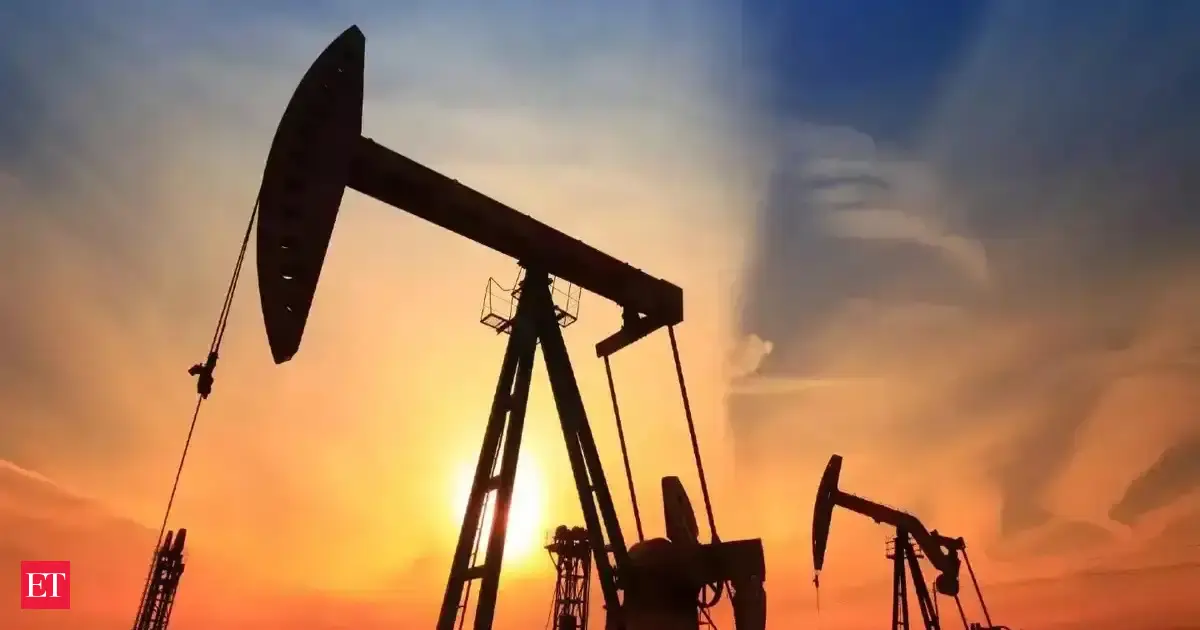
A key part of the warning is the strategic use of oil in times of conflict. The idea that energy supplies can be turned into geopolitical leverage has deep historical roots, and Roubini points to that pattern as a reason not to dismiss current risks. In that context, an escalation involving Iran would not remain a regional issue for long.
The broader concern is that a serious energy shock would ripple far beyond fuel markets, feeding inflation pressures and weighing on growth, trade and investor sentiment. Roubini’s message is that while the world may be more resilient than in past crises, it is not immune, and financial markets may still be underestimating how costly a worst-case turn could become.