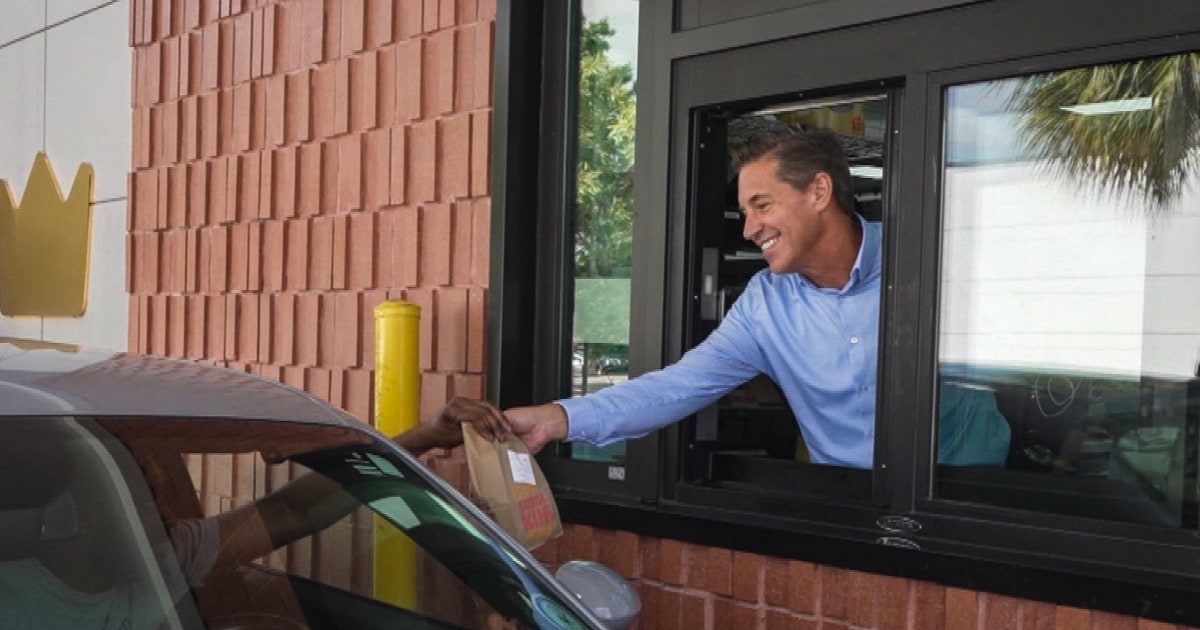
Burger King is positioning itself for a changing fast-food landscape as GLP-1 weight loss medications influence how some Americans eat. The core idea appears to be that customers are not necessarily giving up quick-service restaurants, but they may be buying smaller amounts than before.
That shift matters for major chains because appetite-related drugs could gradually alter ordering patterns across the industry. For Burger King, preparing for that trend means thinking about a future in which demand remains, but average meal sizes and purchase behavior may look different from the traditional fast-food model.
The development reflects a broader business challenge for restaurant brands as health trends and new medications reshape consumer habits. Companies that rely on large portions and routine visits may need to adapt if more diners become selective about quantity while still seeking convenience and familiar menu options.
Burger King's response highlights how the rise of GLP-1 drugs is becoming a real planning issue for food companies, not just a health-care story. As these medications gain attention, fast-food brands are increasingly weighing how to stay relevant to customers who still want the experience of eating out, only in smaller portions.