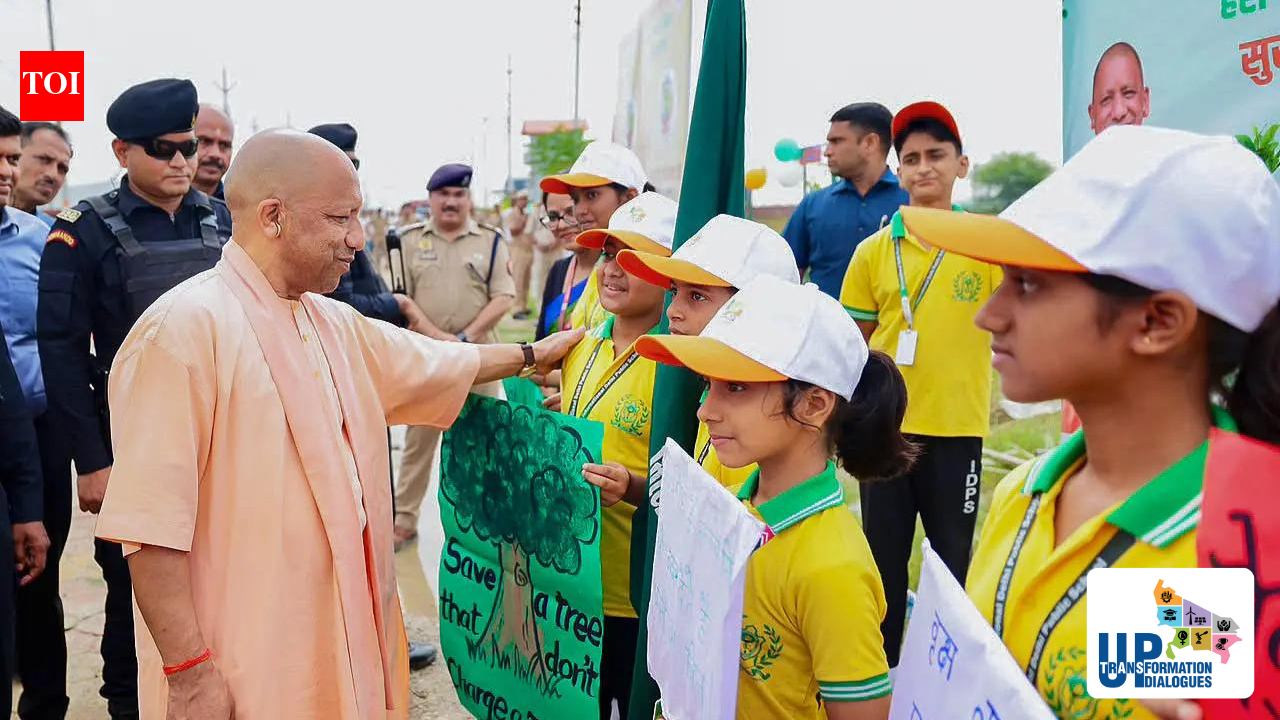
Uttar Pradesh is being highlighted for major progress in expanding its forest and tree cover, with the state government crediting a mix of policy support, administrative focus and public involvement. The push has centered on large-scale plantation campaigns and a sustained effort to make greenery a long-term priority rather than a one-time drive.
A key part of that effort has been the planting of more than 240 crore saplings across the state. The scale of the campaign suggests a broad-based approach, with participation extending beyond official departments to communities and local stakeholders. That public role appears to have helped turn plantation work into a wider environmental exercise.
The report also points to scientific monitoring as an important reason the initiative has gained traction. Tracking saplings after planting is critical because the success of such campaigns depends not only on numbers, but on how many trees survive and mature. By focusing on survival rates, the state has aimed to improve the real impact of its green cover expansion.
Taken together, the measures indicate a coordinated model in which policy, mass participation and follow-up monitoring work in tandem. The Uttar Pradesh experience is being presented as an example of how a large state can pursue greener growth through sustained planning and implementation.