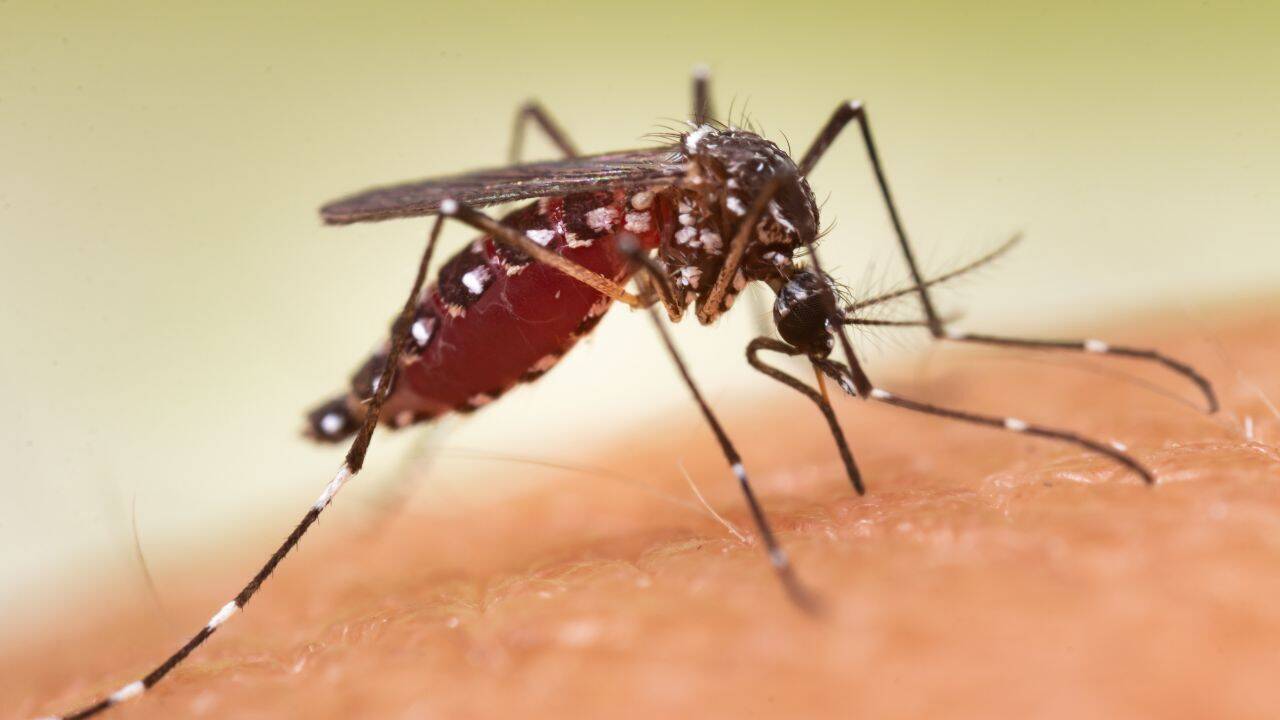
In parts of the eastern United States, mosquito control has increasingly become a private household service, especially in wealthier neighborhoods. Homeowners are paying companies to spray their properties in an effort to reduce mosquito activity around homes, yards, and outdoor spaces.
But the widespread use of these treatments appears to have brought an unintended result. By 2023, mosquitoes had developed resistance across 84 areas, suggesting that repeated exposure to the same control methods may be making the insects harder to kill.
The development is significant because mosquito spraying is often seen as a quick and convenient solution for residential pest problems. If resistance continues to spread, treatments that once worked well may become less effective, creating a bigger challenge for both homeowners and pest-control providers.
The report points to a broader concern in mosquito management: heavy reliance on chemical spraying can solve short-term discomfort while contributing to long-term resistance. In affected US communities, that balance is becoming harder to ignore as mosquito control grows into a routine paid service.