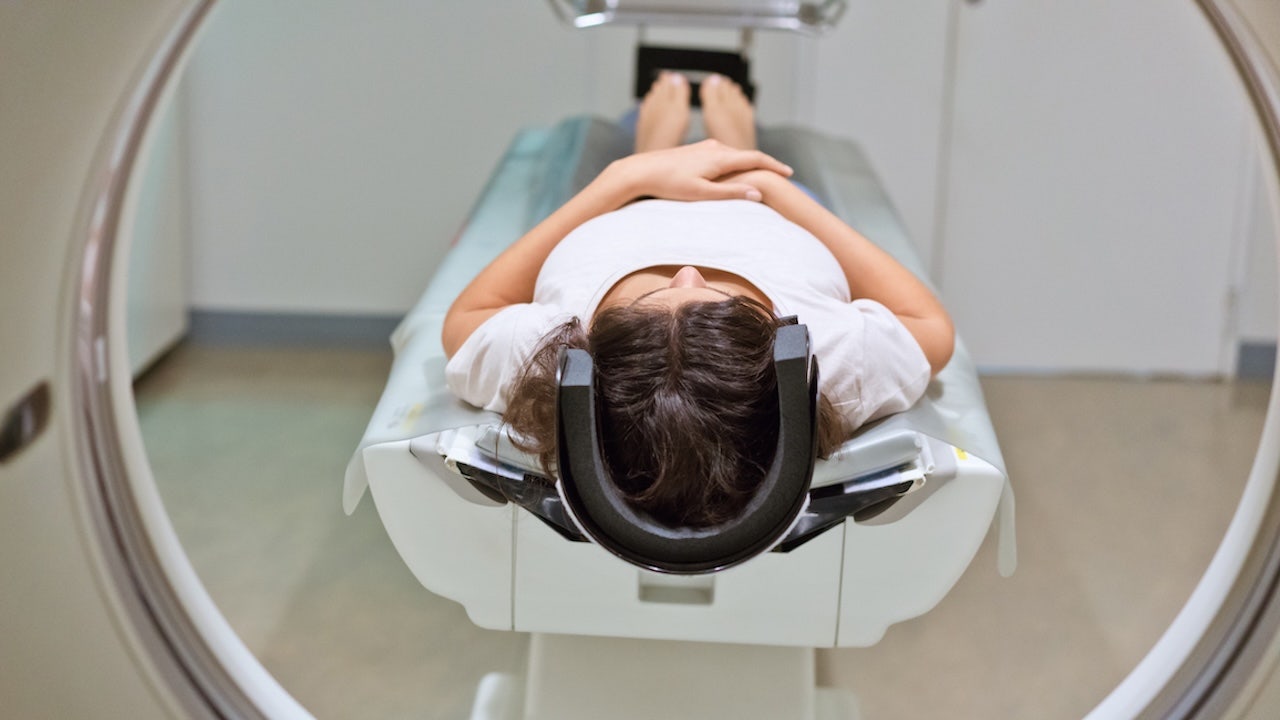
A preventive scan that reportedly detected a brain tumor before symptoms appeared has put full-body MRI screenings back into the public conversation. Supporters say these scans may spot hidden problems early, potentially giving patients more time to seek treatment before a condition becomes more serious.
At the same time, doctors continue to urge caution about the growing interest in full-body MRIs. While the technology can reveal unexpected findings, experts often warn that not every abnormality is dangerous. Incidental findings can lead to more imaging, specialist visits and anxiety, even when the issue turns out to be minor or unrelated to future illness.
Cost is another major part of the debate. Full-body MRI screenings are often expensive and may not be covered by insurance, making them a significant out-of-pocket purchase for consumers hoping for peace of mind. That has raised questions about who is most likely to benefit from these scans and whether they should be used broadly or more selectively.
The renewed attention highlights a larger tension in preventive medicine: the appeal of catching disease early versus the risk of overtesting. For now, full-body MRIs remain a high-profile but controversial option, with interest rising as more personal stories bring early detection and screening decisions into the spotlight.