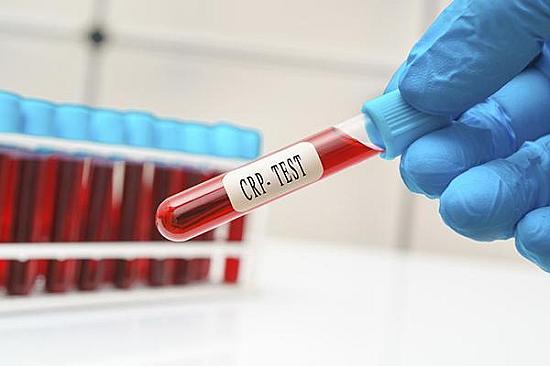
A C-reactive protein, or CRP, test is a blood test that measures inflammation in the body. Interest in the test has grown because heart disease does not always follow the usual script. High cholesterol and high blood pressure are major warning signs, but they do not explain every heart attack, which has led doctors to look at whether hidden inflammation may offer another clue.
The test may help add context when a person’s cardiovascular risk is not completely clear from standard screening alone. In that setting, CRP results can be considered alongside familiar factors such as cholesterol levels, blood pressure, and overall health history. It is not a stand-alone answer, but it may help build a fuller picture of risk.
That does not mean every healthy person needs a CRP test. For many people, routine heart health assessment still starts with established measures and lifestyle habits. Testing for CRP is more likely to be useful when there is uncertainty about risk or a need to better understand whether inflammation could be playing a role.
The broader takeaway is that inflammation is part of the heart-health conversation, but it should be interpreted carefully. A CRP blood test can be informative in the right situation, yet it works best as one piece of a larger medical evaluation rather than a universal screening tool for everyone who feels well.