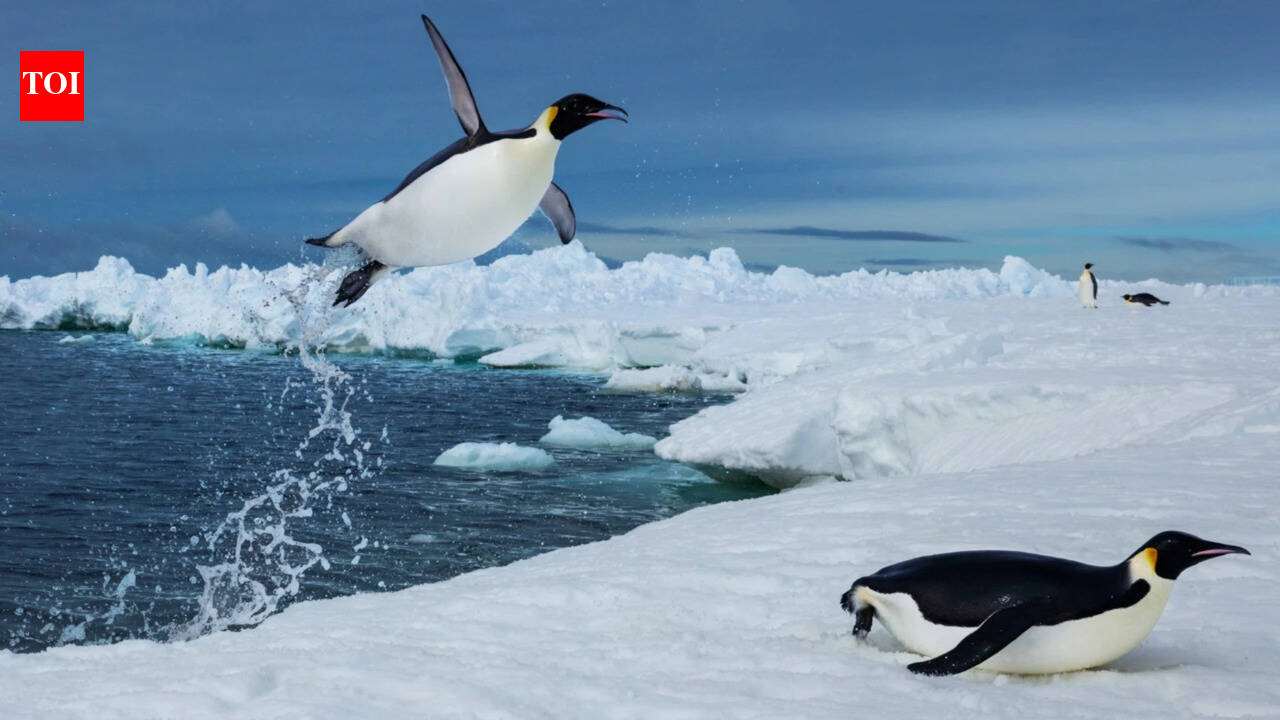
Scientists who tracked more than 6,000 penguin dives beneath Antarctic sea ice found that feeding success may depend on more than the amount of fish or krill in the water. The research points to a second challenge for nesting penguins: whether that prey is actually reachable under the ice.
The study adds a new layer to how scientists think about food supply in Antarctica. Even when prey is present, conditions beneath sea ice can make hunting more difficult, meaning penguins may have to work harder to find and capture meals while raising chicks.
That matters because nesting penguins are under pressure to make repeated foraging trips and return with enough food. If prey becomes harder to access, the problem is not simply one of scarcity in the ocean, but of how the structure and conditions of the ice-covered environment affect feeding.
The findings suggest that changes in Antarctic sea ice could influence penguin survival and breeding in ways that are not captured by prey counts alone. For researchers, the dives offer a clearer picture of how life below the ice shapes the daily struggle for food.