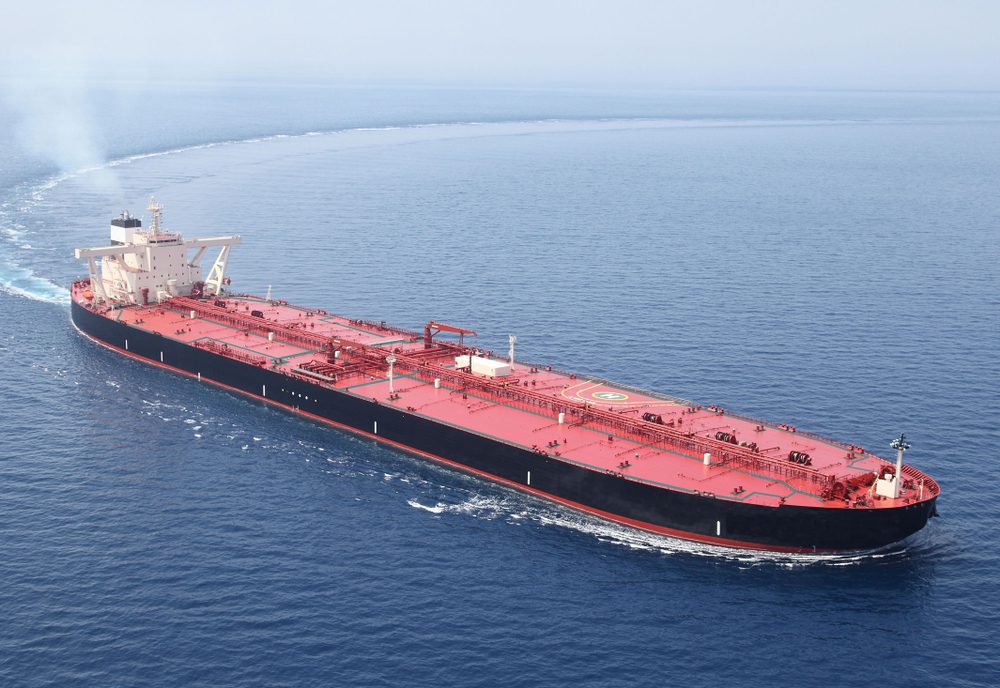
Two tankers carrying Saudi crude oil for buyers in China and India changed course in the Red Sea after a warning from Yemen's Houthi militia. Instead of continuing toward the sea's southern entrance near the Yemeni coast, the vessels turned back and headed toward the Suez Canal.
The move highlights the pressure that security threats can place on one of the world's most important energy shipping corridors. Any disruption in the Red Sea can affect vessels moving oil and other cargo between the Middle East, Asia and Europe, raising concerns about delays, higher transport costs and route uncertainty.
For oil markets, the development underscores how regional conflict can quickly influence shipping decisions even when cargoes are already underway. Saudi crude bound for major Asian customers is a key part of global supply flows, so changes to tanker routes are watched closely by traders and refiners.
The tanker U-turns also reflect the wider risk facing commercial shipping near Yemen as tensions persist. While the immediate change was a navigational response to the warning, the incident adds to broader concerns about the safety of maritime traffic through the Red Sea.