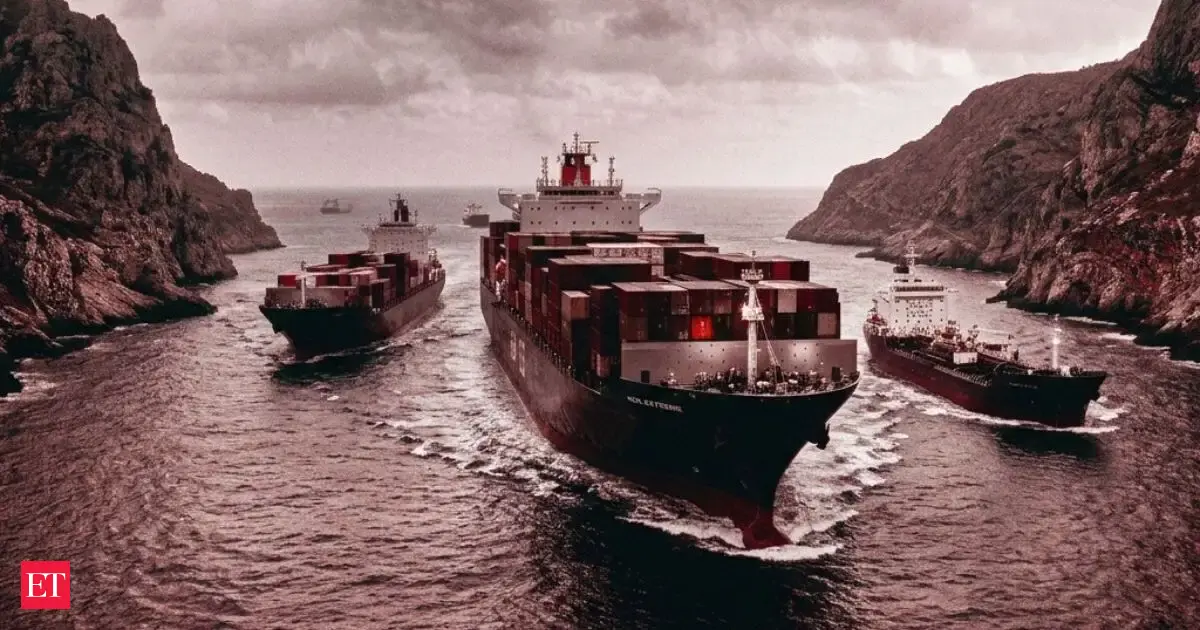
Fresh concerns are building around the Bab el-Mandeb Strait, the narrow sea passage between the Red Sea and the Gulf of Aden. The waterway is one of the world’s key maritime chokepoints, and renewed security fears there are raising questions about whether global shipping could face another major disruption after worries around Hormuz.
The latest anxiety follows a warning from Yemen’s Houthi movement about a maritime blockade aimed at Saudi shipping. With tensions between the United States and Iran also running high, the risk is that instability in the region could spread across sea lanes that are vital for cargo, energy flows and commercial movement between Asia, the Middle East and Europe.
For India, any trouble in Bab el-Mandeb matters because the route is closely linked to trade moving through the Red Sea corridor. If shipping is delayed, diverted or exposed to higher security risks, Indian importers and exporters could face longer transit times, higher freight costs and increased insurance premiums. Energy markets could also become more sensitive if regional tensions begin to affect tanker traffic more broadly.
That is why the strait is drawing close attention far beyond West Asia. Even without a full-scale closure, the mere possibility of disruption at another strategic chokepoint can unsettle shipping markets and supply chains. For India, the main concern is not only the immediate movement of goods, but also the wider economic impact if maritime uncertainty pushes up transport and fuel costs.