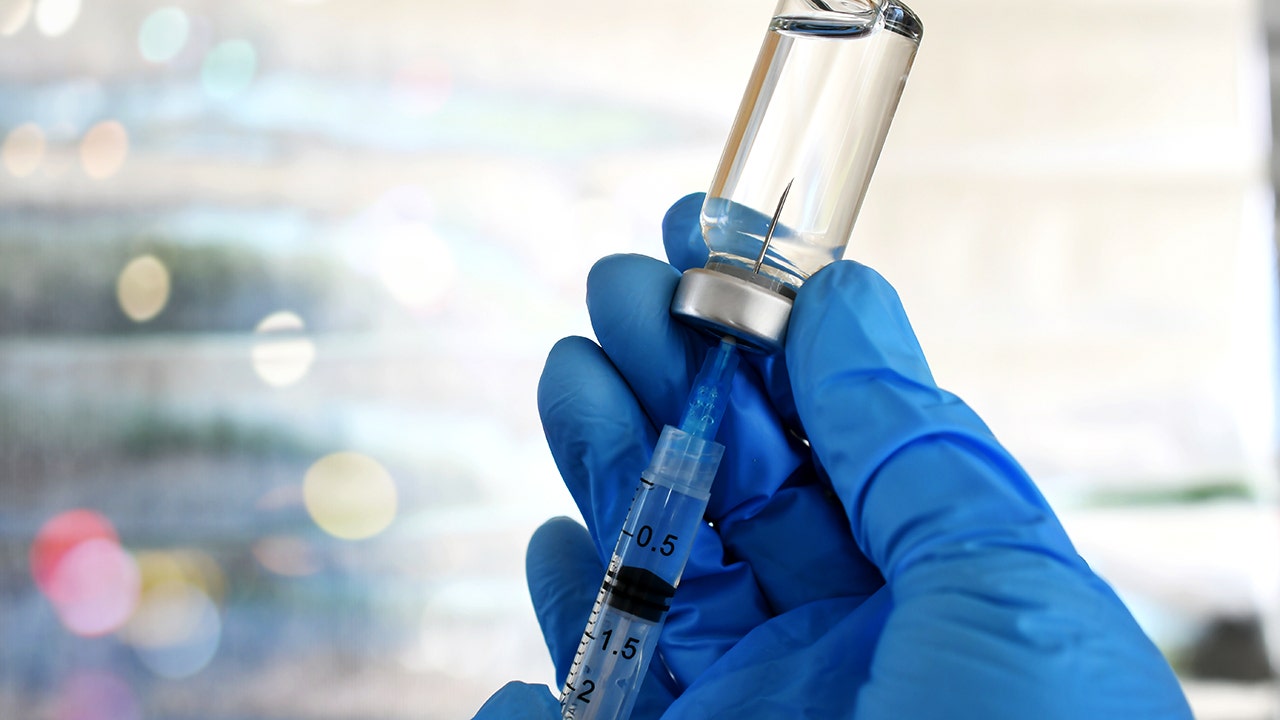
A pancreatic cancer vaccine being tested at Johns Hopkins School of Medicine has delivered encouraging early results in its first human trial. The phase 1 study, published in Cancer Discovery, focused on people considered at high risk for developing pancreatic cancer rather than patients with advanced disease.
According to the reported findings, the vaccine triggered an immune response in about 90% of participants. Researchers also observed that some pancreatic cysts became smaller after vaccination, a sign that the approach may have potential not only to activate the immune system but also to affect precancerous changes.
Because this was an early-stage trial, the main goal was to evaluate safety and whether the vaccine could generate the intended biological response. Even so, the results are notable because pancreatic cancer is one of the deadliest forms of cancer and is often diagnosed late, making prevention strategies especially important for people with elevated risk.
The findings remain preliminary, and larger studies will be needed to confirm how well the vaccine works and how durable the protection may be. Still, the first human data suggest this preventive pancreatic cancer vaccine could become an important area of research for high-risk patients.