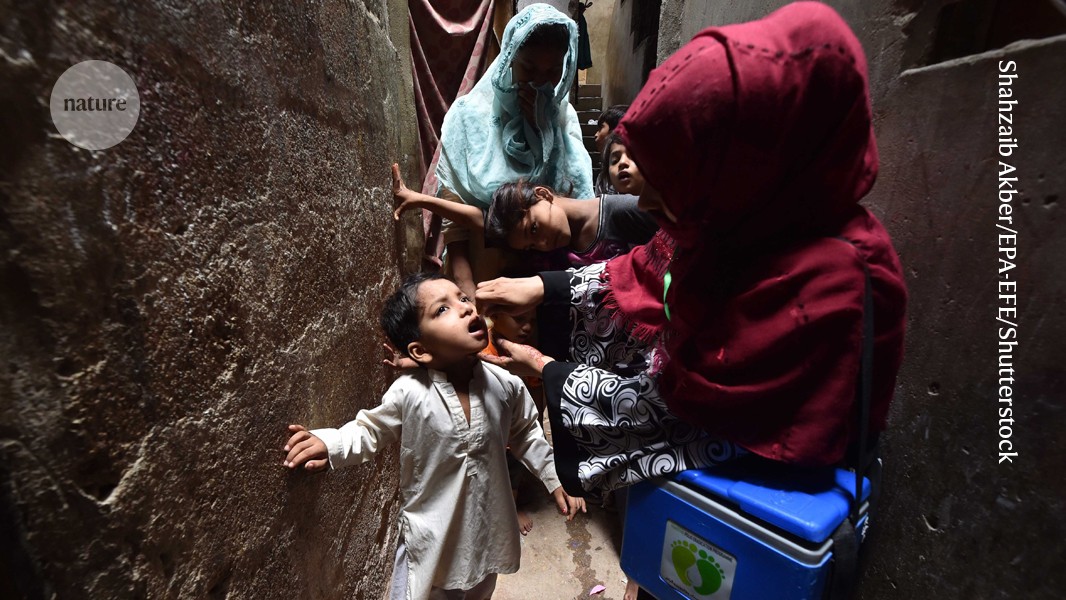
A decade ago, the global effort to eliminate polio appeared to be nearing its final stage. When Nigeria recorded its last known cases of the wild virus in 2016, the disease seemed close to disappearing from the world.
That optimism has faded as the campaign runs into stubborn obstacles. According to Nature, researchers are now reassessing whether the long-running eradication drive can still succeed as financial support weakens and political barriers disrupt vaccination work.
The concern is not just about missed deadlines. If outbreaks continue to be contained but the virus is not fully eliminated, health officials may have to rethink what success looks like and how to protect vulnerable communities over the long term.
The discussion around a possible "plan B" reflects a broader shift in global health strategy. Instead of assuming eradication is inevitable, experts are increasingly weighing how to sustain control efforts, preserve past gains and adapt to a more difficult final phase than many expected.