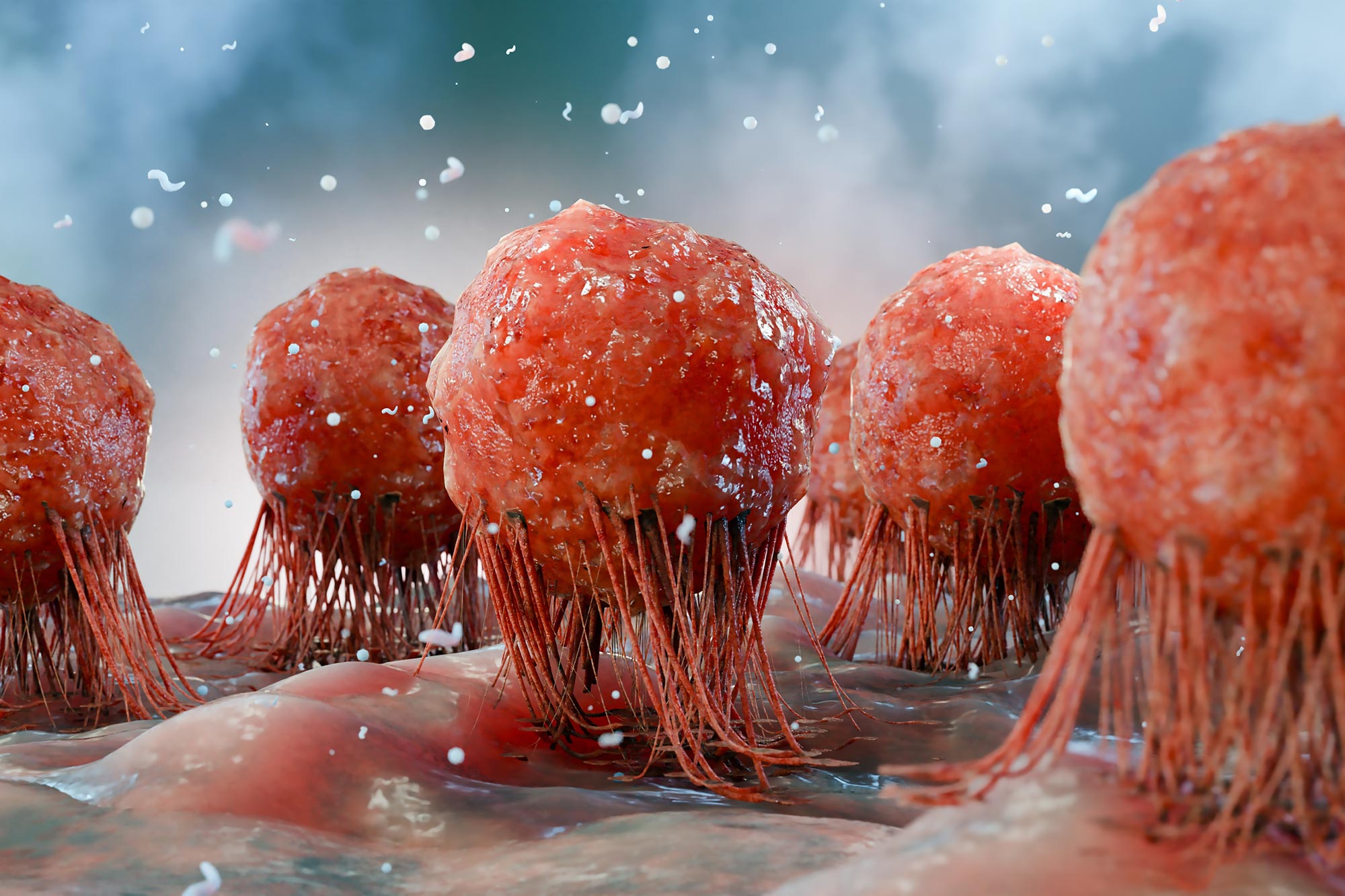
A new MIT study points to a more complicated picture of ketogenic diets and cancer risk. According to the research, the high-fat, low-carbohydrate eating plan may not affect the digestive system evenly, with neighboring parts of the intestine responding in very different ways.
The findings suggest a ketogenic diet could help slow cancer development in one section of the intestine while appearing to promote it in another area only a short distance away. That contrast raises new questions about the idea that one diet has a single, uniform effect on cancer across the body.
The study adds to a growing body of research showing that nutrition and cancer biology can be highly specific to tissue type and location. In this case, the digestive tract may contain regions that react differently to the same metabolic changes triggered by a ketogenic diet.
For people following or considering keto for health reasons, the research highlights the need for caution when broad claims are made about cancer prevention or treatment. While the diet may offer benefits in some contexts, this study suggests its impact on cancer risk could depend on exactly where in the intestine those effects are taking place.