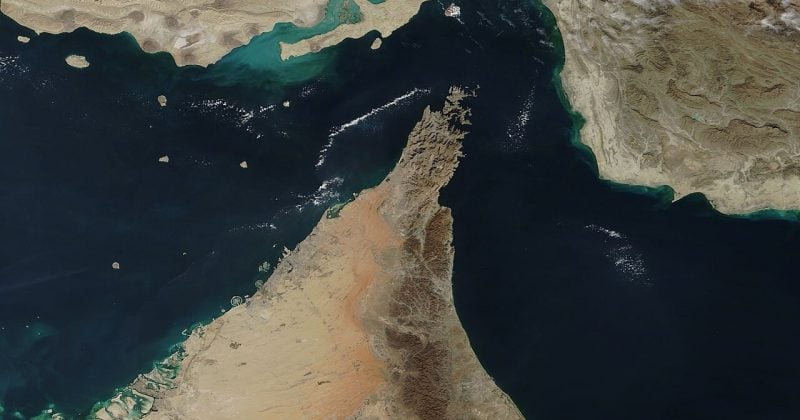
Oil producers in the Middle East are reportedly pushing forward with pipeline projects meant to bypass the Strait of Hormuz, one of the world’s most important energy shipping routes. The move reflects a broader effort to reduce reliance on a narrow maritime chokepoint that can quickly become a source of risk during periods of regional tension.
The Strait of Hormuz remains central to global crude flows, so any concern around its security tends to draw close attention from traders, governments and energy companies. By expanding overland export options, producers appear to be looking for more flexibility in how oil reaches international buyers if shipping conditions become more uncertain.
Pipeline routes that avoid Hormuz could help limit disruption risk and strengthen energy security for exporters. Even without a direct interruption, tensions in the region can influence market sentiment, freight costs and expectations around future supply, making alternative infrastructure more valuable.
The reported pipeline push highlights how geopolitical pressure can shape long-term energy strategy, not just short-term market moves. For oil-producing states, developing routes outside the strait may be seen as a practical way to protect exports and maintain stability in a region that remains critical to global energy supply.