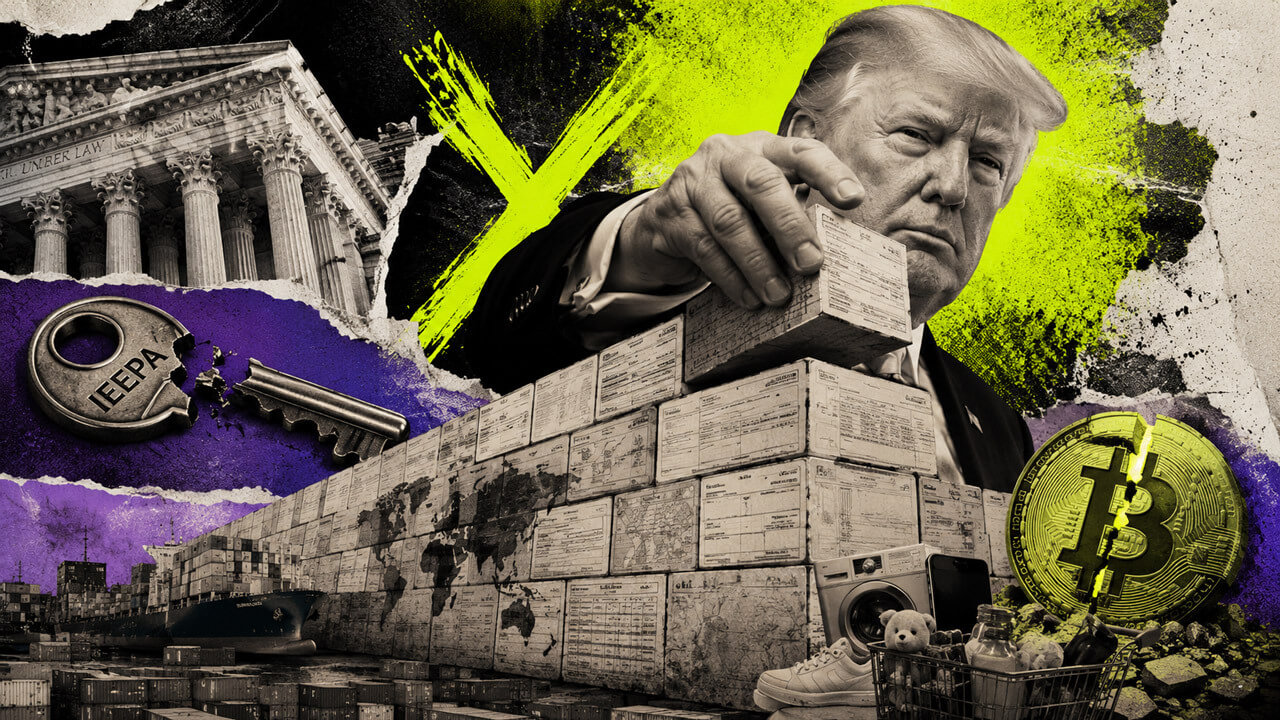
A looming deadline for broad U.S. tariffs is putting renewed attention on Donald Trump’s trade agenda and the question of what or who could be targeted next. The latest protectionist push suggests a tougher stance on imports, reviving the possibility of wider trade friction at a time when global supply chains and markets remain sensitive to policy shocks.
The central issue is not only the scale of the proposed measures, but also their ripple effects. New tariffs can quickly strain relations with trading partners, invite retaliation, and raise costs for companies that depend on imported goods or parts. Even before any final move, the uncertainty around Trump’s next tariff target is likely to weigh on business planning and broader trade sentiment.
Another major consequence could be a return to legal conflict. Previous tariff actions triggered court challenges and intense debate over presidential trade powers, and fresh measures would likely reopen those arguments. That means the policy fight may unfold on two fronts at once: through international trade tensions and through domestic legal battles over how far the White House can go.
For investors, businesses, and foreign governments, the immediate focus is the deadline itself and what follows from it. If the Trump team moves ahead with sweeping tariffs, the result could be a new chapter of protectionism marked by higher trade barriers, renewed litigation, and another period of instability in U.S. trade policy.