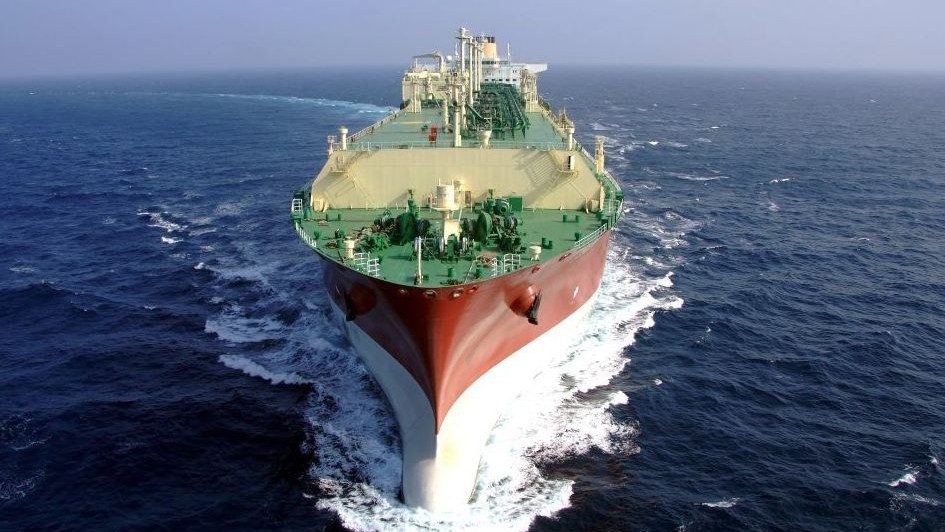
A renewed conflict involving Iran and effective closures around the Strait of Hormuz and the Strait of Bab el-Mandeb are putting fresh pressure on global LNG trade. The disruption is driving natural gas prices higher, with Europe and Asia facing the strongest impact as key import-dependent regions.
Asia is especially exposed because it accounts for nearly 90% of liquefied natural gas shipments. When major maritime routes are threatened, buyers across the region must compete harder for available cargoes, increasing costs and raising concerns about supply security.
As LNG becomes more expensive and harder to secure, some buyers are turning back to coal and oil as substitute fuels. The shift underlines how quickly power producers and industrial users can change fuel choices when gas markets tighten and shipping risks rise.
The situation is adding volatility across the broader energy market, not just gas. With two critical trade chokepoints under strain, importers are being forced to rethink procurement plans, while higher fuel costs threaten to ripple through electricity markets and industrial demand.