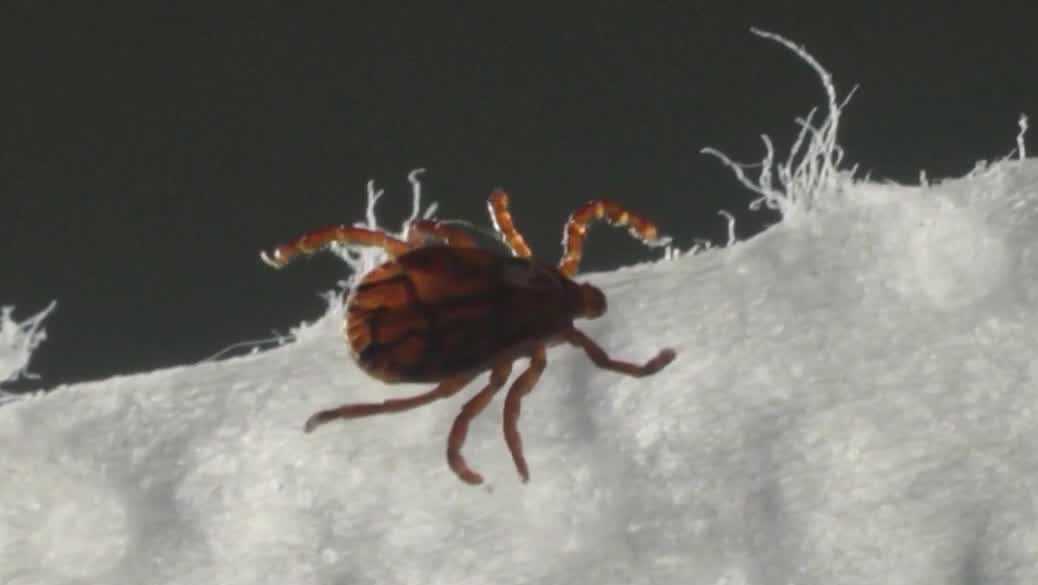
The University of New Hampshire has been awarded an $8 million grant to expand research into ticks, the illnesses they can spread and the conditions that help them survive. The funding highlights growing concern about tick-borne diseases and the need for better understanding of how these pests affect public health.
According to the report, the grant comes from the National Science Foundation. The research will focus not only on ticks themselves, but also on the diseases they carry and the environments where they thrive. That broader approach could help scientists better understand why tick-related risks are changing in certain areas.
Tick-borne diseases have become an increasing concern in many parts of the country, making studies like this especially important. By examining both disease spread and habitat conditions, researchers may be able to identify patterns that explain where ticks are most active and how exposure risks develop.
The new funding gives UNH a major boost for long-term tick research. With support at this level, the university is positioned to deepen scientific knowledge about tick populations and the health threats linked to them, while also improving understanding of the environmental factors behind their spread.