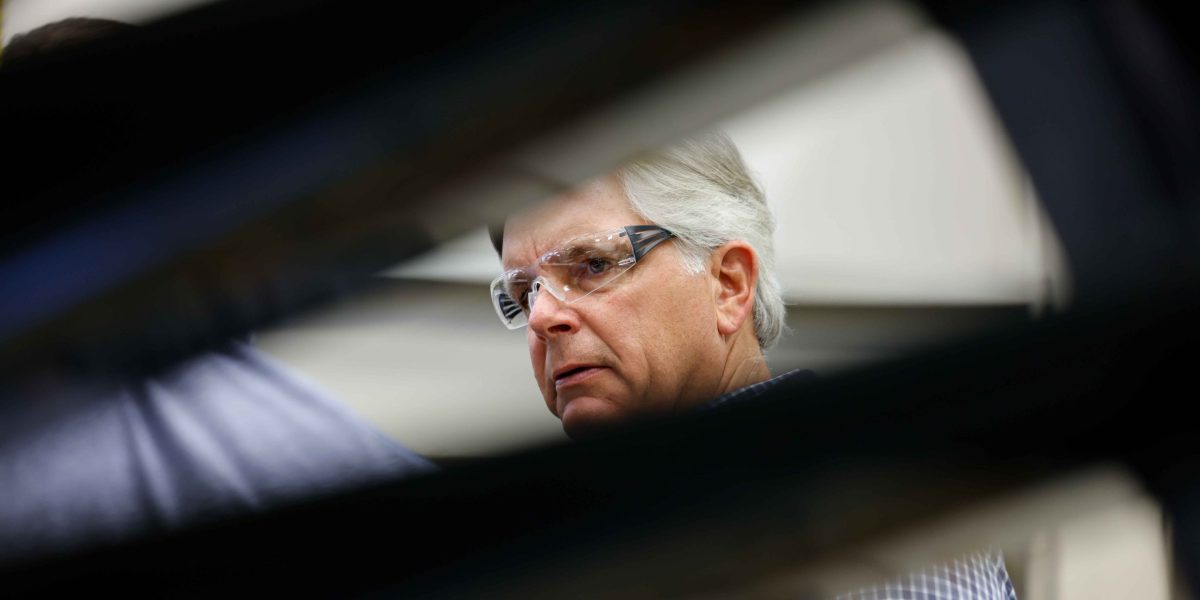
General Electric was under intense strain when Larry Culp stepped in, and the scale of the challenge was visible on the factory floor. A visit to Plant One in Lynn, Massachusetts, captured the disorder facing the company at the time, with operational problems reflecting a much deeper corporate crisis.
According to Fortune’s account, Culp inherited a business that was close to collapse. His leadership became closely tied to a broad restructuring effort aimed at improving performance, simplifying the company, and restoring credibility after years of pressure on the once-dominant industrial group.
That effort has since transformed GE into three separate successor companies. Together, those businesses are now valued at nearly $700 billion, a striking contrast with the condition of the company when Culp arrived. The result has made his tenure one of the most closely watched corporate recoveries in recent business history.
The story highlights how a turnaround at a company like GE was not just about cutting costs or changing strategy on paper. It also involved fixing operations, imposing discipline, and reshaping a sprawling industrial empire into more focused businesses with clearer market value.