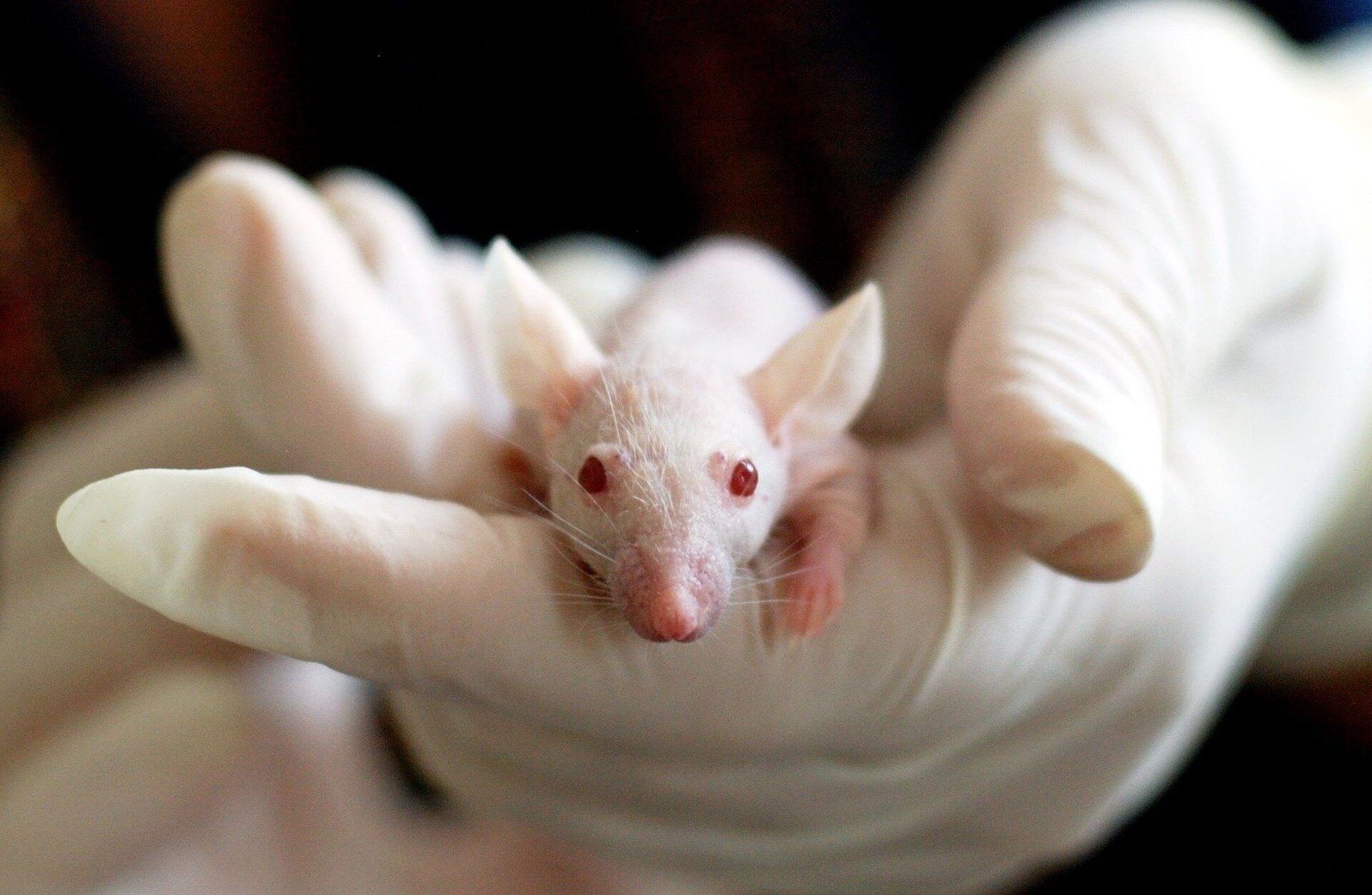
A new UCLA Health-led mouse study suggests that inflammation during pregnancy may help drive autism-like brain and behavioral changes in offspring. Researchers reported that these effects, while long-lasting, were not necessarily permanent in the animal model.
According to the study, a single dose of an immunosuppressant drug given to adult mice was able to reverse those autism-like changes within hours. The improvement was described as rapid but temporary, indicating that the altered brain activity could be shifted back, at least for a limited time.
The findings point to the immune system as a possible contributor to changes in brain function linked to prenatal inflammation. They also raise the possibility that some effects seen later in life may remain biologically flexible rather than being completely fixed after early development.
Even so, the research was conducted in mice, not humans, and the results do not show that the same approach would work safely or effectively in people. The study instead adds to growing interest in how immune activity during pregnancy can shape brain development and how those changes might one day be targeted with treatment.