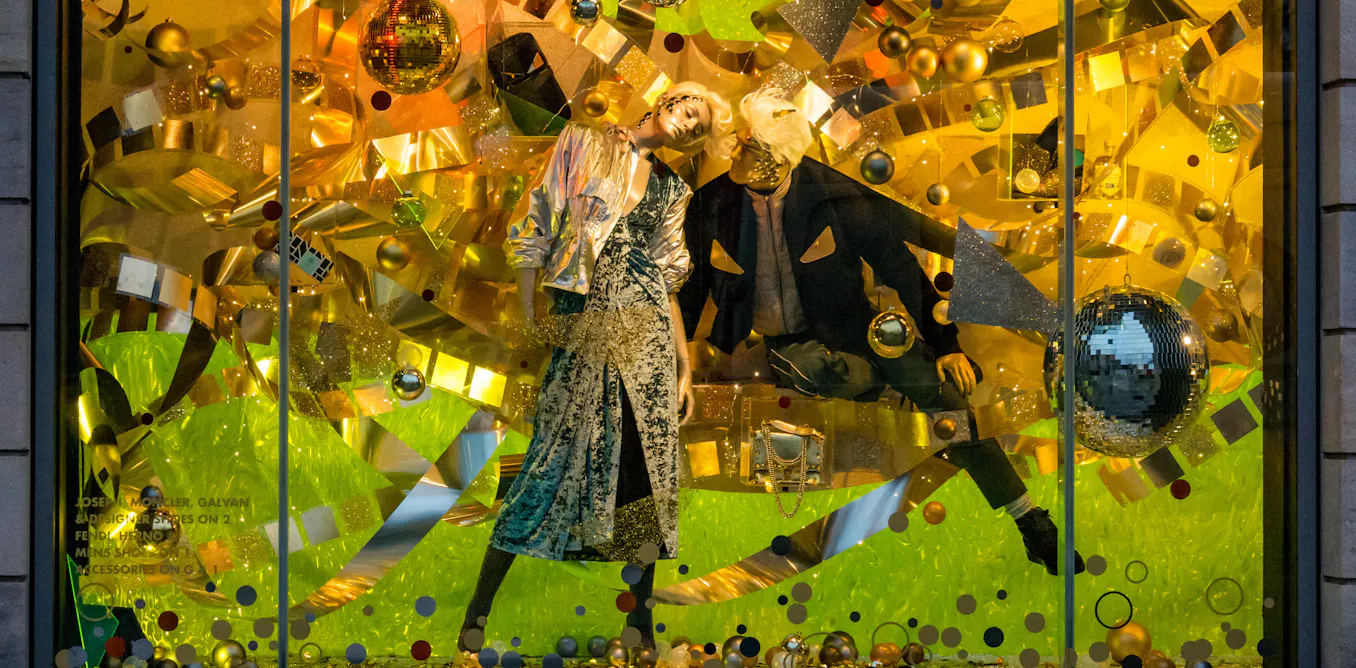
Harvey Nichols is reportedly up for sale after a sharp decline in performance, reopening discussion about the place the London department store holds in British fashion. Long associated with high-end style and a distinctly modern retail identity, the store remains one of the best-known names in UK fashion culture.
Its prominence was especially strong in the 1990s, when Harvey Nichols became shorthand for fashion-forward taste. Frequent references in Absolutely Fabulous helped cement its public image, but its influence went beyond television. For many people working in and around fashion at the time, the store represented a more daring and contemporary alternative within luxury shopping.
That sense of importance is central to reflections from a fashion academic who recalls working there during its peak years. Her perspective suggests Harvey Nichols was not simply a place to buy designer clothing, but a key part of how fashion was experienced, marketed and understood in Britain during that era. The store helped shape ideas about aspiration, retail theatre and what cutting-edge style looked like on the high street.
Any potential sale therefore carries meaning beyond a single business transaction. It highlights the pressures facing major retail names, while also reminding the industry of Harvey Nichols’ lasting contribution to London fashion and the wider story of UK style. Whatever happens next, its reputation as a defining part of modern British fashion history is unlikely to fade.