.jpg)
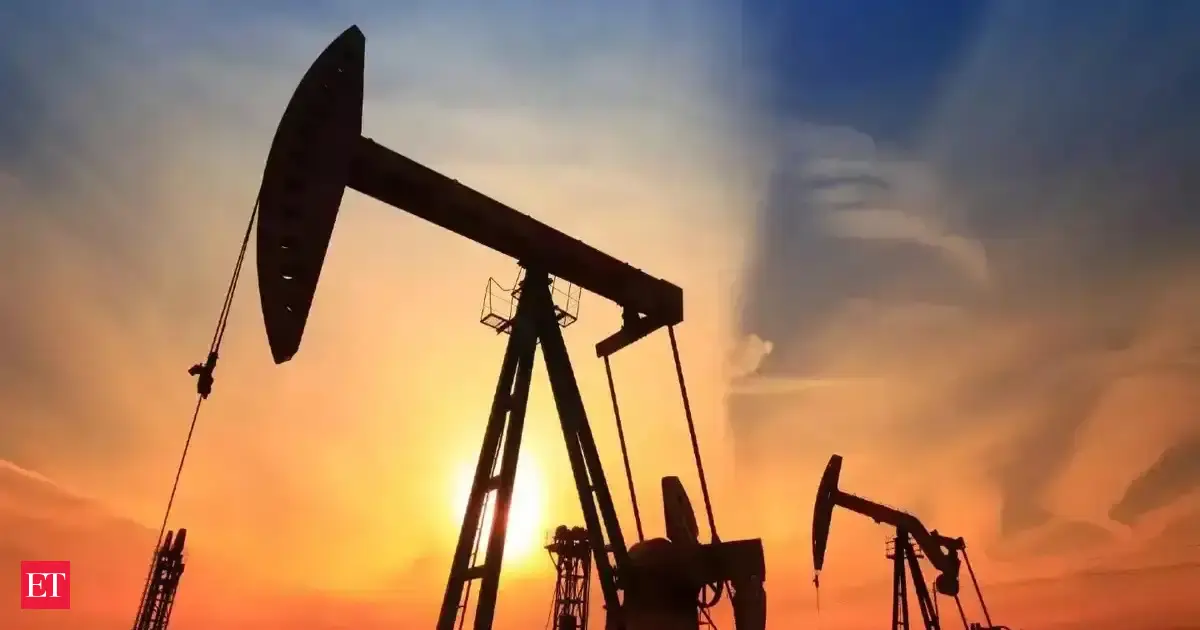
Concerns about higher fuel costs are expanding beyond the gas pump and into America’s emergency oil backstop. Attention is increasingly focused on the U.S. Strategic Petroleum Reserve, the government stockpile meant to help the country respond to major supply disruptions and energy shocks.
The warning signs become more serious when geopolitical tensions involving Iran are added to the picture. Any wider conflict affecting a major oil-producing region can tighten global supply, unsettle markets and push crude prices higher. That can quickly feed through to gasoline and diesel costs for consumers and businesses.
A lower or more strained reserve raises questions about how much protection the United States would have if a larger supply crisis developed. The SPR exists as a cushion during emergencies, but concerns grow when that cushion appears thinner at the same time the risk of international disruption is rising.
The broader issue is not just current prices, but how prepared the country is for the next shock. If oil markets face fresh instability tied to war fears, the condition of the Strategic Petroleum Reserve is likely to remain central to debates over energy security, inflation and the potential for another jump in fuel costs.