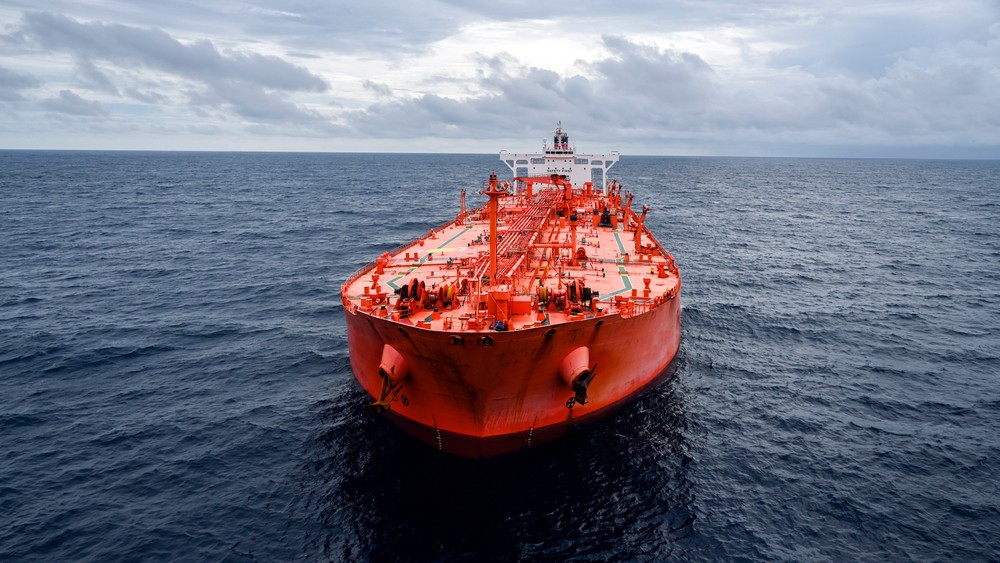
South Korea is increasingly shifting oil shipping plans toward the Red Sea as disruptions in the Strait of Hormuz continue to complicate trade flows. The change follows the outbreak of war involving Iran in early March, which has interfered with one of the world’s most important energy transit chokepoints.
A key part of that adjustment is growing reliance on Saudi Arabia’s export terminal at Yanbu. By using Red Sea loadings and routes that reduce exposure to Hormuz, South Korean buyers appear to be seeking a more dependable path for crude deliveries to Asia while regional security risks remain elevated.
The shift underlines how quickly conflict can reshape established energy logistics. For an import-dependent economy such as South Korea, keeping tanker movements flexible is critical when traditional Gulf shipping lanes face uncertainty, delays or higher risk.
The evolving routing strategy also points to a broader realignment in oil trade patterns across the region. As long as Hormuz disruptions persist, alternative export points and sea lanes are likely to play a larger role in helping Asian importers maintain steady supply.