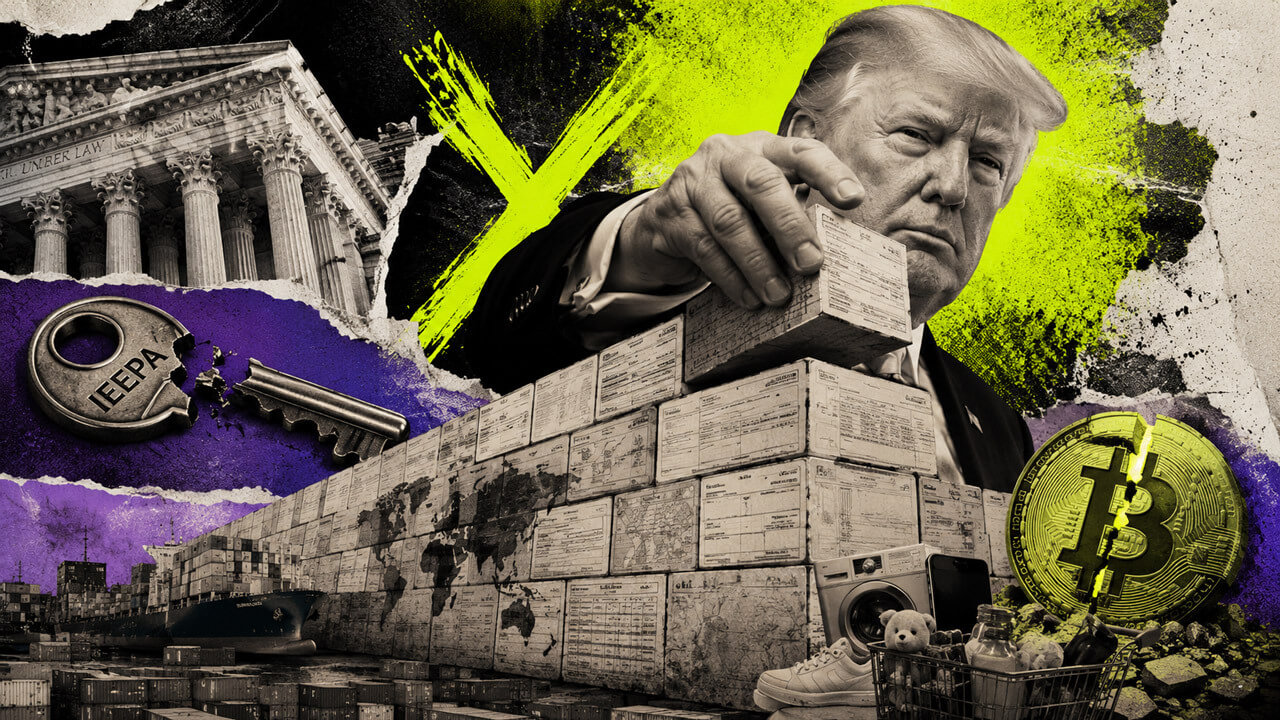
Countries that do business with the United States have pushed back against a new round of tariffs announced by President Donald Trump’s administration. The response came a day after Washington unveiled measures linked to claims of forced labour, prompting criticism from multiple trade partners.
Several governments questioned both the decision and the way the latest tariffs were introduced. The tone of the reaction suggested growing frustration, with at least one response describing the move as “extremely disappointing,” reflecting concern over how the policy could affect existing trade ties.
Because the measures are tied to forced labour allegations, the dispute sits at the intersection of trade policy and human rights enforcement. While the US has framed tariffs around such concerns, affected partners appear to be challenging the justification for the penalties and warning about broader economic consequences.
The latest exchange adds to uncertainty in global commerce, especially for countries and industries that rely on stable access to the US market. It also signals that trade disputes tied to labour and sourcing claims could become a sharper point of friction in Washington’s relations with partners around the world.